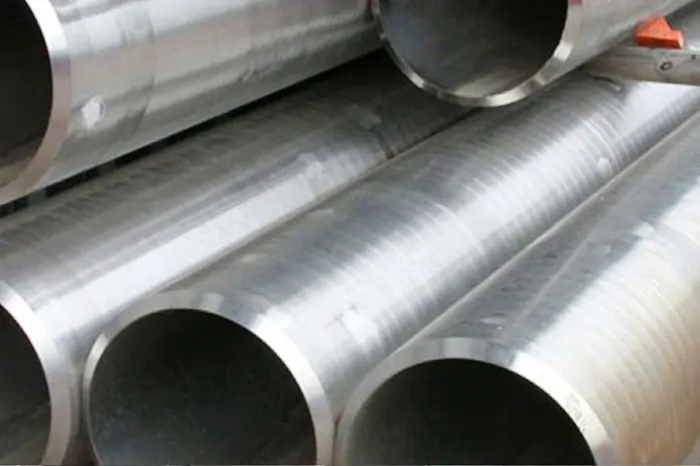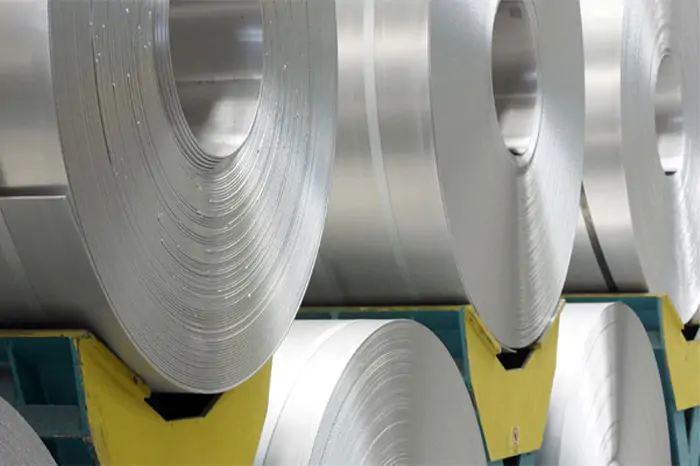
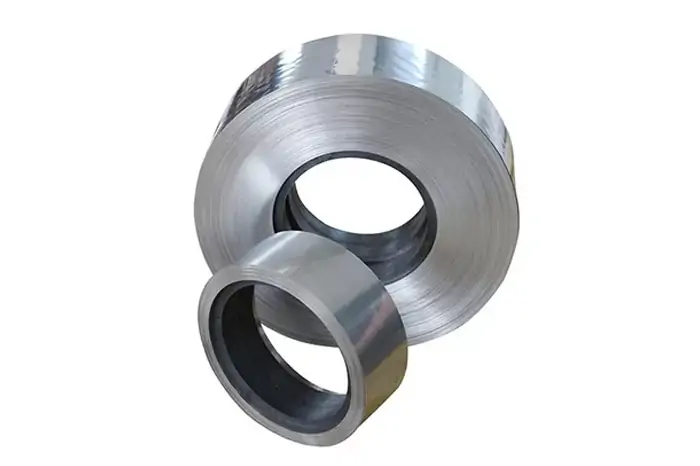
High-temperature alloys have revolutionized the fields of aerospace, automotive, and industrial manufacturing. These materials are specifically engineered to withstand extreme conditions, making them indispensable in precision casting processes. As industries continue to evolve, the demand for materials that can maintain their integrity under intense stress and high temperatures has increased. This article explores the latest advancements in high-temperature alloys, focusing on cobalt alloys, nickel-based alloys, and titanium alloys used in precision casting. By understanding these developments, industries can better harness the potential of these materials to innovate and improve efficiency.

Understanding High-Temperature Alloys
High-temperature alloys, often referred to as superalloys, are materials that can withstand high temperatures while maintaining their strength and resistance to oxidation and corrosion. These properties make them ideal for use in environments where other materials would fail. Superalloys are formulated to perform at temperatures exceeding those that standard metals can endure, providing reliability in applications where failure is not an option. Their development is a testament to the progress in materials science, addressing the growing needs of modern engineering applications.
Key Characteristics of High-Temperature Alloys
- Heat Resistance: These alloys can endure temperatures that would melt most metals. This property is critical in applications like jet engines and power plants, where sustained high temperatures are the norm. Heat resistance is achieved through careful selection of alloying elements and precise control over the manufacturing process.
- Corrosion Resistance: They resist damage from chemicals and oxidation, a vital feature in environments where materials are exposed to harsh conditions. This resistance extends the lifespan of components, reducing the need for frequent replacements and maintenance. The ability to withstand corrosive environments is particularly valuable in chemical processing and marine applications.
- Mechanical Strength: Even at high temperatures, these alloys maintain their structural integrity, ensuring that components do not deform under stress. This strength is crucial for maintaining performance in critical applications, such as in the rotating parts of turbines. The balance of toughness and ductility in these alloys is achieved through advanced metallurgical techniques.
Importance of Precision Casting
Precision casting, also known as investment casting, relies on these alloys to produce components that require tight tolerances and complex geometries. This process enables the manufacture of parts with intricate details that are difficult to achieve with other methods. The ability to cast intricate shapes without compromising material properties is crucial in industries such as aerospace and automotive manufacturing, where precision and reliability are paramount. Precision casting not only meets the rigorous demands of these industries but also offers cost-effective solutions by minimizing material waste.

Cobalt Alloys in Industrial Casting
Cobalt alloys are prized for their exceptional wear and corrosion resistance. They are commonly used in applications where reliability and durability are paramount, such as gas turbine blades and dental implants. The unique properties of cobalt alloys make them suitable for high-stress environments where other materials might fail prematurely. Their ability to perform under such conditions ensures that components have a longer service life, reducing maintenance costs and downtime in critical operations.
Recent Developments in Cobalt Alloys
Recent advancements have focused on improving the strength and performance of cobalt alloys at high temperatures. Researchers are exploring new compositions and heat treatment processes to enhance their properties. These efforts aim to address the evolving demands of modern industries for materials that offer both performance and longevity.
- Enhanced Wear Resistance: New cobalt alloys are being developed to offer better resistance to wear and tear. This is particularly important in applications involving moving parts, where friction can lead to rapid degradation. By improving wear resistance, the lifespan of components can be significantly extended, providing economic benefits and reliability.
- Improved Oxidation Resistance: Advances in alloy composition have led to better oxidation resistance, extending the life of components in high-temperature environments. This property is critical in applications such as jet engines, where oxidation can lead to catastrophic failure. By enhancing oxidation resistance, cobalt alloys can operate reliably over extended periods, even under challenging conditions.
Nickel-Based Alloys for Aerospace Applications
Nickel-based alloys are the backbone of the aerospace industry. Their ability to withstand extreme conditions makes them ideal for engine components and other critical applications. The aerospace sector demands materials that not only perform under high stress but also offer safety and efficiency. Nickel-based alloys meet these requirements, making them indispensable in the design and manufacture of modern aircraft.
Innovations in Nickel-Based Alloys
The development of new nickel-based alloys has focused on increasing their temperature tolerance and mechanical strength. These improvements are essential for the next generation of aerospace technology, where efficiency and performance are continuously pushed to new heights.
- Higher Temperature Tolerance: New alloys can withstand temperatures exceeding 1,000°C, making them suitable for next-gen jet engines. This capability allows engines to operate at higher efficiencies, reducing fuel consumption and emissions. The development of such alloys is critical as the aerospace industry seeks to meet environmental regulations without compromising performance.
- Enhanced Fatigue Resistance: Improvements in microstructure and alloy composition have led to increased resistance to fatigue, crucial for high-stress applications. Fatigue resistance is particularly important in components subjected to cyclic loading, such as turbine blades. By enhancing this property, nickel-based alloys can improve the safety and reliability of aerospace components.

Titanium Alloys: Lightweight and Strong
Titanium alloys are known for their excellent strength-to-weight ratio, making them ideal for applications where weight savings are critical. In addition to aerospace, they are used in medical devices and sports equipment. Their lightweight nature, combined with superior strength, makes them a preferred choice in industries where performance and efficiency are critical.
Advancements in Titanium Alloy Technology
Recent research has focused on enhancing the properties of titanium alloys to expand their applications in precision casting. These advancements aim to leverage the inherent benefits of titanium while addressing some of its traditional limitations.
- Improved Castability: New techniques in alloy formulation have improved the castability of titanium alloys, allowing for more complex shapes. This improvement opens up new possibilities for design and innovation in applications ranging from aerospace to consumer products. Enhanced castability also means that manufacturers can produce intricate parts with reduced material waste and processing time.
- Increased Corrosion Resistance: Advances in coating technologies have further enhanced the corrosion resistance of titanium alloys. By applying protective coatings, titanium components can be used in even more aggressive environments, extending their range of applications. This advancement not only preserves the integrity of the material but also enhances its lifespan, making it more cost-effective over time.
The Role of High-Temperature Alloys in Investment Casting
Investment casting, or precision casting, is a process that allows for the creation of complex and intricate metal components. High-temperature alloys are essential in this process, providing the necessary properties to achieve high-quality results. The precision and efficiency offered by investment casting are unmatched, making it a preferred method for producing components that require exact specifications and exceptional quality.
Advantages of Using High-Temperature Alloys in Investment Casting
- Complex Shapes: These alloys allow for the creation of detailed and complex shapes that would be impossible with other materials. This capability is crucial for industries that demand high precision and intricacy, such as aerospace and medical devices. By enabling the production of complex geometries, high-temperature alloys expand the possibilities for innovative design and functionality.
- Dimensional Accuracy: Precision casting with these alloys ensures components meet strict dimensional requirements. The accuracy achieved through investment casting reduces the need for post-processing, saving both time and resources. This precision is particularly valuable in industries where even the slightest deviation can have significant consequences, such as in aerospace engineering.
- Reduced Machining: The precision of casting reduces the need for additional machining, saving time and costs. By minimizing the need for extensive machining, manufacturers can streamline production processes and reduce lead times. This efficiency translates into cost savings and faster time-to-market for new products.
Challenges and Solutions in Casting High-Temperature Alloys
While high-temperature alloys offer many benefits, casting them can be challenging due to their properties. Innovations in casting techniques and mold materials are helping to overcome these challenges. By addressing these issues, the industry can fully exploit the potential of high-temperature alloys in precision casting.
- Advanced Mold Materials: New mold materials can withstand the high temperatures required for casting superalloys. These materials help ensure that the intricate details of the cast are preserved, maintaining the quality and performance of the final product. The development of advanced mold materials is essential for achieving consistent results in high-temperature alloy casting.
- Improved Casting Techniques: Techniques such as vacuum casting and directional solidification are being used to enhance the quality of cast components. These methods help control the microstructure and properties of the final product, resulting in superior performance and reliability. By refining casting techniques, manufacturers can overcome the challenges associated with high-temperature alloys, ensuring that they meet the demanding requirements of modern industries.
Future Trends in High-Temperature Alloy Development
The demand for high-temperature alloys is expected to grow as industries continue to push the boundaries of what is possible. Future developments will likely focus on enhancing the properties of these materials to meet the needs of emerging technologies. As industries evolve, the role of high-temperature alloys will become increasingly important in achieving new levels of performance and sustainability.
Potential Areas of Research
- Eco-Friendly Alloys: Research is ongoing to develop alloys that are less harmful to the environment. The push for sustainability is driving the development of materials that offer the same performance benefits without the environmental drawbacks. By focusing on eco-friendly alloys, the industry can contribute to a more sustainable future while maintaining high standards of performance.
- Cost Reduction: Efforts to reduce the cost of producing high-temperature alloys could make them more accessible to a wider range of industries. By lowering production costs, these materials can be used in more applications, driving innovation and growth across various sectors. Cost reduction strategies may involve optimizing manufacturing processes, improving material efficiency, and exploring alternative raw materials.
Conclusion
High-temperature alloys are at the forefront of modern manufacturing, enabling the production of components that perform under the most extreme conditions. From cobalt and nickel-based alloys in aerospace to titanium alloys in medical devices, these materials continue to evolve, offering new possibilities in precision casting and beyond. Their continued development will be crucial as industries seek to improve efficiency, performance, and sustainability.

By staying informed about the latest advancements and understanding the unique properties of these materials, industries can leverage high-temperature alloys to drive innovation and achieve new levels of performance. As research continues, we can expect even more exciting developments in the world of high-temperature alloys. This ongoing evolution will ensure that high-temperature alloys remain a cornerstone of modern engineering, supporting the advancement of technology and the growth of various industries.