
The oil refining industry is a cornerstone of global energy production, responsible for transforming crude oil into usable products like gasoline, diesel, and jet fuel. However, this process involves harsh environments that can lead to the degradation of materials used in equipment and infrastructure. This is where corrosion-resistant alloys come into play, offering a robust solution to extend the lifespan of these vital components.

Corrosion is a natural process that occurs when metals react with their environment, leading to deterioration. In oil refineries, this can be accelerated by factors like high temperatures, the presence of sulfur compounds, and the use of aggressive chemicals. If unchecked, corrosion can cause equipment failure, leaks, and even hazardous situations.
The Impact of Corrosion
The impact of corrosion in oil refineries is significant. It not only affects the efficiency of operations but also leads to increased maintenance costs and potential safety hazards. By understanding the mechanisms of corrosion and implementing suitable materials, refineries can minimize these risks.
What Are Corrosion-Resistant Alloys?
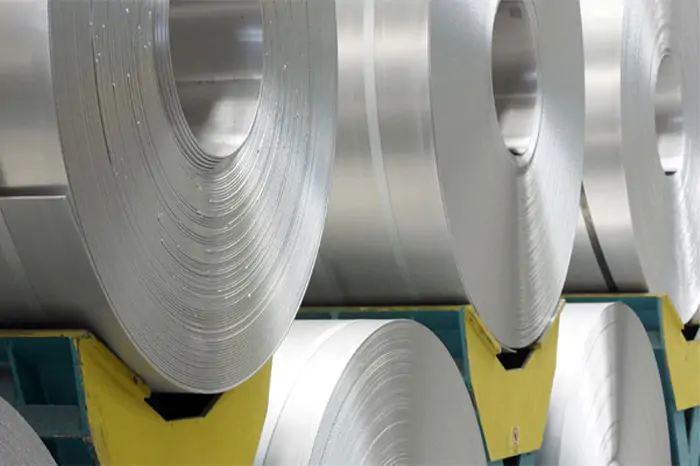
Corrosion-resistant alloys are specially formulated metals designed to withstand the harsh conditions found in oil refining. These alloys typically contain elements like chromium, nickel, and molybdenum, which enhance their resistance to corrosion.
Key Elements in Corrosion-Resistant Alloys
- Chromium: Provides a protective oxide layer that prevents further oxidation.
- Nickel: Adds toughness and improves corrosion resistance in acidic environments.
- Molybdenum: Increases resistance to pitting and crevice corrosion.
By combining these elements, manufacturers create alloys that can withstand the demanding conditions of oil refining.
Types of Corrosion-Resistant Alloys

There are several types of corrosion-resistant alloys commonly used in oil refining. Each type offers unique properties that make it suitable for specific applications.
Stainless Steel
Stainless steel is one of the most widely used corrosion-resistant materials. It contains at least 10.5% chromium, which forms a passive layer that protects against corrosion. Variations like 316L stainless steel, with added molybdenum, offer enhanced resistance to chloride-induced corrosion.
Nickel Alloys
Nickel alloys, such as Inconel and Hastelloy, are known for their exceptional resistance to high-temperature corrosion and oxidation. These alloys are often used in areas of the refinery where extreme conditions are present.
Duplex Stainless Steel
Duplex stainless steels offer a balance of austenitic and ferritic stainless steel properties. They provide high strength, excellent resistance to stress corrosion cracking, and are more cost-effective than some nickel-based alloys.
Applications in Oil Refining
Corrosion-resistant alloys are used in various parts of an oil refinery, each with specific requirements for corrosion resistance.
Heat Exchangers
Heat exchangers are critical for controlling temperatures in the refining process. Corrosion-resistant alloys ensure these components can withstand the corrosive effects of high-temperature fluids and gases.
Piping Systems
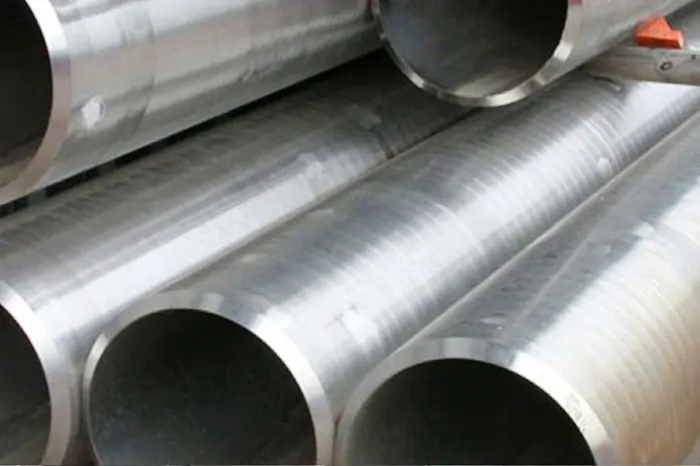
Piping systems transport crude oil and refined products throughout the refinery. Using corrosion-resistant materials in these systems reduces the risk of leaks and extends the lifespan of the infrastructure.
Storage Tanks
Storage tanks hold crude oil and finished products, which can be highly corrosive. Alloys that resist corrosion prevent leaks and contamination, ensuring safe storage.
Benefits of Using Corrosion-Resistant Alloys
The use of corrosion-resistant alloys in oil refining offers several benefits:
- Extended Equipment Lifespan: By resisting corrosion, these alloys help extend the lifespan of equipment, reducing the need for frequent replacements.
- Reduced Maintenance Costs: With less corrosion damage, maintenance costs are lower, and there is less downtime for repairs.
- Improved Safety: Reducing the risk of leaks and failures enhances the overall safety of the refinery.
- Increased Efficiency: Equipment that operates at optimal conditions without corrosion-related interruptions leads to more efficient refining processes.
Challenges in Implementing Corrosion-Resistant Alloys
Despite their benefits, there are challenges associated with using corrosion-resistant alloys. These materials can be more expensive than traditional metals, and their fabrication requires specialized knowledge and techniques. However, the long-term benefits often outweigh these initial costs.
Conclusion
Corrosion-resistant alloys play a vital role in the oil refining industry by safeguarding equipment and infrastructure against the harsh conditions inherent in the process. By selecting the right materials, refineries can enhance efficiency, reduce costs, and improve safety. As technology advances, the development of new alloys will continue to provide solutions for the ongoing challenges of corrosion in oil refining.
By understanding the properties and applications of these alloys, industry professionals can make informed decisions that will benefit their operations and contribute to the sustainable production of energy.