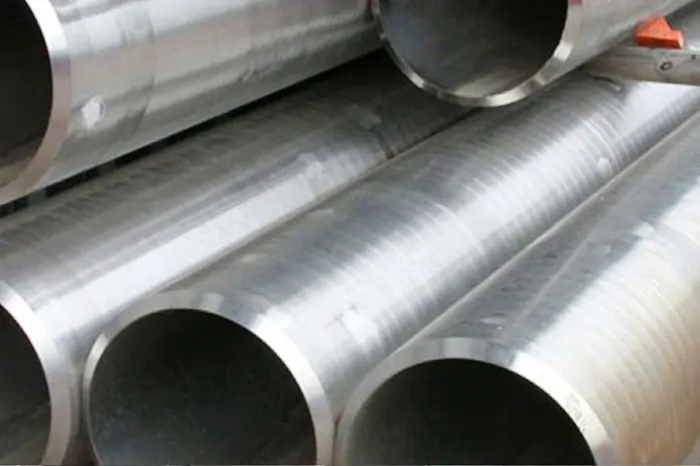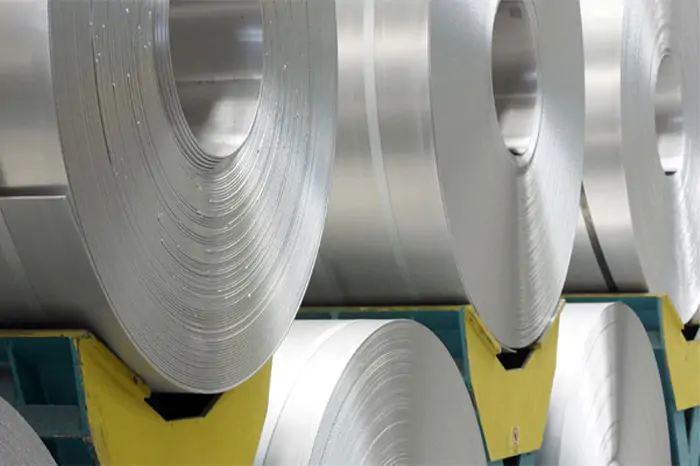

High-temperature nickel alloys are engineered to maintain their strength and integrity under extreme temperatures, often exceeding 1,000 degrees Celsius. They are classified as high-temperature high-strength nickel-base alloys due to their exceptional properties. These alloys are widely used in industries where performance and durability are crucial, serving as the backbone for components that are exposed to severe thermal and mechanical stresses. Their ability to perform under such conditions is what sets them apart from conventional materials, making them invaluable in cutting-edge applications.

Composition and Characteristics
Nickel superalloys are made by combining nickel with elements like chromium, cobalt, and molybdenum. These elements improve the alloy’s ability to resist oxidation and corrosion, making them ideal for high-temperature environments. The alloys also contain small amounts of other elements like aluminum and titanium, which contribute to their strength and heat resistance. The specific combination of these elements is carefully controlled to achieve desired properties, such as creep resistance, toughness, and fatigue strength. This meticulous engineering process ensures that the alloys can meet the exacting demands of modern industrial applications.
The microstructure of these alloys is also crucial in determining their performance. Through advanced metallurgical techniques, the distribution and phase stability of elements within the alloy are optimized. This results in a material that not only withstands high temperatures but also maintains its mechanical properties over extended periods. Understanding the interplay of these elements is essential for developing alloys tailored to specific applications, further enhancing their versatility and effectiveness.
Types of High-Temperature Nickel Alloys
There are several types of high-temp alloys, each with specific properties suited for different applications:
- Inconel: Known for excellent oxidation and corrosion resistance, Inconel alloys are used in jet engines and chemical processing equipment. Their ability to maintain structural integrity under high stress and temperature makes them a preferred choice in environments where failure is not an option.
- Hastelloy: These alloys offer outstanding resistance to acids and are commonly used in chemical industries. They are particularly effective in environments where strong acids and corrosive chemicals are present, providing an essential solution for maintaining equipment longevity and safety.
- Waspaloy: With high strength and resistance to oxidation, Waspaloy is used in aerospace applications. Its ability to withstand high mechanical loads and thermal cycles makes it ideal for critical components in aircraft engines, where reliability is paramount.
Each type of alloy is engineered to meet specific challenges, making the selection process crucial for ensuring optimal performance. Understanding the properties and capabilities of each alloy type allows engineers to design components that can meet the rigorous demands of their intended applications.
Applications of Nickel Superalloys

High-temperature nickel alloys play a vital role in several industries due to their unique properties. Their ability to endure extreme conditions without compromising performance is critical in driving technological advancements across various sectors.
Aerospace Industry
In the aerospace sector, nickel superalloys are indispensable. They are used in the manufacturing of jet engine components, including turbine blades and combustion chambers. These components must withstand high temperatures and pressures, making nickel alloys an ideal choice. The high strength-to-weight ratio of these alloys also contributes to fuel efficiency, a crucial factor in aerospace design. Moreover, the reliability of nickel superalloys under cyclic thermal and mechanical loads ensures the safety and longevity of aircraft components, which is crucial for maintaining operational standards.
The ongoing developments in aerospace technology continually push the boundaries of material performance. Nickel superalloys are at the forefront of these advancements, enabling new designs that enhance efficiency and reduce emissions. As the aerospace industry moves towards more sustainable practices, the demand for materials that can meet these new requirements while maintaining performance is greater than ever.
Power Generation
Nickel alloys are also crucial in power plants, especially those that operate at high temperatures. They are used in gas turbines, steam turbines, and nuclear reactors. Their ability to resist heat and corrosion ensures the reliability and efficiency of power generation systems. As energy demands increase globally, the efficiency and durability of power generation equipment become critical factors. Nickel superalloys help in achieving higher operational temperatures, which in turn improves thermal efficiency and reduces fuel consumption.
The role of nickel alloys in power generation extends to renewable energy technologies as well. In concentrated solar power plants, for instance, components made from these alloys can withstand the intense heat generated by focused sunlight, contributing to the efficiency and longevity of the system. As the world transitions to cleaner energy sources, the importance of robust and high-performance materials like nickel superalloys will continue to grow.
Chemical Processing
In chemical processing industries, high-performance alloys like Hastelloy are used to handle corrosive materials. Reactors, heat exchangers, and piping systems made from nickel alloys can endure harsh chemical environments, ensuring safety and longevity. The ability of these alloys to resist corrosion in highly acidic environments not only extends the life of the equipment but also reduces downtime and maintenance costs, which are significant advantages in a competitive market.
The versatility of nickel superalloys in chemical processing extends to their use in emerging technologies. As the industry evolves, the need for materials that can withstand new chemical processes becomes more pressing. Nickel alloys provide the flexibility and performance required to adapt to these changes, ensuring that chemical processing facilities remain at the cutting edge of technology.
Automotive Industry
The automotive industry employs high-temp alloys in the production of turbocharger rotors and exhaust valves. These components experience high thermal and mechanical stress, and nickel alloys provide the necessary strength and durability. The use of these materials helps in improving engine performance and efficiency, reducing emissions, and enhancing the overall durability of vehicles.
As the automotive industry shifts towards electric and hybrid vehicles, the need for materials that can manage high thermal loads without compromising performance remains crucial. Nickel superalloys are also finding applications in battery technology, where their thermal stability and resistance to corrosive environments can extend the life and safety of battery systems. This adaptability makes nickel alloys an essential component in the ongoing transformation of the automotive landscape.
Benefits of Using High-Temperature Nickel Alloys
High-temperature nickel alloys offer numerous benefits that make them a preferred choice in demanding applications. Their ability to perform under extreme conditions without compromising safety or efficiency is a key factor driving their widespread use.
Exceptional Heat Resistance
One of the primary advantages of nickel superalloys is their ability to withstand extreme temperatures without losing strength. This property is essential for applications involving high heat, such as jet engines and power plants. The ability to operate at higher temperatures increases the efficiency of engines and turbines, reducing fuel consumption and emissions.
The heat resistance of these alloys also plays a crucial role in extending the lifespan of components. By maintaining their structural integrity over prolonged exposure to high temperatures, nickel superalloys reduce the frequency of replacements and repairs, leading to significant cost savings and improved operational reliability.
Corrosion and Oxidation Resistance
Nickel alloys are highly resistant to corrosion and oxidation, even in aggressive environments. This resistance extends the lifespan of components and reduces maintenance costs, making them cost-effective for industries like chemical processing. The ability to withstand corrosive substances without degrading ensures that equipment remains safe and functional over extended periods.
This property also enhances the sustainability of operations. By reducing material degradation and the need for frequent replacements, nickel superalloys contribute to more sustainable industrial practices. This is increasingly important as industries strive to minimize their environmental impact while maintaining high-performance standards.
High Strength and Durability
These alloys maintain their strength and structural integrity even under high stress. Their durability makes them suitable for applications with high mechanical loads, ensuring safety and reliability. The combination of strength and toughness allows these materials to withstand dynamic stresses and impacts without failure, which is crucial in high-performance applications.
The durability of nickel superalloys also contributes to longer service life for components, reducing the need for frequent replacements. This not only cuts down on material costs but also minimizes downtime and disruption, enhancing overall operational efficiency.
Versatility
Nickel superalloys are versatile materials used in various industries, from aerospace to automotive. Their adaptability to different environments and conditions makes them an invaluable resource for engineers and manufacturers. This versatility is reflected in their ability to be tailored to specific requirements, providing solutions for a wide range of technical challenges.
The ongoing advancements in alloy technology continue to expand the potential applications of nickel superalloys. As industries evolve and new challenges arise, the ability to leverage the unique properties of these materials will be crucial in developing innovative solutions that meet future demands.
Advancements in Nickel Alloy Technology
As technology advances, so does the development of new high-temp alloys. Researchers are constantly working to improve the properties of these materials, making them even more efficient and reliable. The drive for innovation is fueled by the need to meet ever-increasing performance standards while addressing environmental and economic considerations.
Additive Manufacturing
Additive manufacturing, or 3D printing, has opened new possibilities for the production of complex nickel alloy components. This technology allows for the creation of intricate designs that were previously impossible, improving performance and reducing waste. The ability to produce components with optimized geometries and reduced material usage enhances the efficiency and sustainability of manufacturing processes.
The integration of additive manufacturing with nickel superalloys also enables rapid prototyping and customization of parts, allowing for faster development cycles and more tailored solutions. This flexibility is particularly valuable in industries where innovation and speed to market are critical competitive factors.
Environmental Considerations
The development of environmentally friendly nickel superalloys is gaining attention. Researchers are focusing on creating alloys with reduced emissions and energy consumption, contributing to sustainability efforts in various industries. This involves not only improving the production processes but also enhancing the recyclability and lifecycle performance of the alloys.
The increasing regulatory pressures and consumer demand for sustainable solutions drive the focus on environmental considerations. By developing nickel superalloys that align with these expectations, industries can reduce their environmental impact while maintaining high-performance standards.
Choosing the Right Nickel Alloy
Selecting the appropriate high-performance alloy for a specific application requires careful consideration of factors such as operating temperature, environment, and mechanical load. Consulting with materials engineers and manufacturers can help ensure the best choice for your needs. The right selection not only enhances performance but also optimizes cost-effectiveness and sustainability.
Understanding the specific requirements of your application is critical in making an informed decision. By leveraging the expertise of professionals and conducting thorough evaluations, you can select a nickel alloy that aligns with your operational goals and contributes to long-term success.
Conclusion
High-temperature nickel alloys are essential materials that enable industries to operate efficiently and safely under extreme conditions. Their exceptional heat resistance, corrosion resistance, and strength make them ideal for a wide range of applications, from aerospace to chemical processing. As technology continues to advance, these high-performance alloys will play an increasingly important role in shaping the future of engineering and manufacturing.
Incorporating high-temp alloys into your projects can significantly enhance performance and longevity. By understanding their applications and benefits, you can make informed decisions that align with your industry needs and goals. The continued development and application of nickel superalloys will undoubtedly drive innovation and progress across multiple sectors, paving the way for more advanced and sustainable industrial practices.