- Danyang Yisheng, Your Trusted Partner for High-Quality Alloy Solutions!


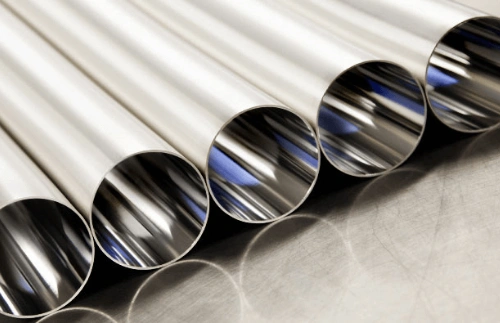


Stainless nickel alloy piping is a type of metal piping that combines the properties of stainless steel and nickel alloys. This combination results in a material that is robust, resistant to corrosion, and capable of withstanding high temperatures. The fusion of these elements results in a unique synergy that enhances the piping’s performance beyond that of its components. Unlike regular steel piping, these alloy piping products offer enhanced performance and longevity, making them suitable for demanding industrial environments. This makes stainless nickel alloy piping a strategic investment for facilities looking to optimize efficiency and safety.
The unique composition of stainless nickel alloy piping offers several advantages over traditional materials. These benefits underscore the material’s versatility and its ability to meet the demands of modern industrial applications.
One of the standout features of stainless nickel alloy piping is its ability to withstand high temperatures. This makes it invaluable in industries where heat is a constant factor, such as power generation and chemical processing. The alloy maintains its integrity and performance even in extreme heat, ensuring safety and reliability. This temperature resilience is particularly crucial in preventing thermal fatigue, a common cause of failure in high-temperature applications. Moreover, the ability to perform consistently at elevated temperatures reduces the risk of unscheduled downtime, which can be costly for industrial operations.

Corrosion is a major concern in many industrial applications, as it can lead to material degradation and system failures. Stainless nickel alloys provide excellent resistance to various forms of corrosion, including pitting and crevice corrosion. This resistance extends the lifespan of the piping and reduces maintenance costs. The enhanced corrosion resistance also means that these pipes are suitable for long-term use in environments where exposure to aggressive chemicals is routine. This attribute not only ensures operational efficiency but also enhances safety by reducing the potential for leaks and system breaches.
The combination of stainless steel and nickel creates a material that is not only strong but also long-lasting. This durability means fewer replacements and repairs, saving both time and resources in the long run. For industries with continuous operations, this reliability is crucial. The long service life of stainless nickel alloy piping also supports sustainability goals by minimizing waste and reducing the frequency of replacements. Additionally, the robustness of the material contributes to stable operational costs by limiting unexpected expenditure on repairs and maintenance.
Stainless nickel alloy piping is versatile and can be used in a wide range of applications. From chemical plants to oil refineries, these piping products are adaptable to different environments and requirements, making them a flexible solution for various industrial needs. This adaptability allows industries to streamline their material selection process, opting for a single type of piping across different applications to simplify logistics and reduce inventory costs. The versatility also facilitates easy integration with existing systems, as these pipes can be tailored to specific configurations and operational demands.
The unique properties of stainless nickel alloy piping make it suitable for numerous applications across different industries. Each application underscores the material’s ability to meet specific demands while ensuring operational efficiency and safety.
In chemical plants, pipes are often exposed to corrosive substances and high temperatures. Stainless nickel alloy piping is ideal for such environments due to its resistance to chemical attacks and its ability to handle thermal stress. These pipes ensure that chemical processes run smoothly and safely, reducing the risk of leaks that could lead to hazardous situations. The reliability of these pipes in managing aggressive substances directly impacts the quality of the end products, ensuring consistency and safety in chemical manufacturing.
by Leo Sokolovsky (https://unsplash.com/@sokolovsky)
The oil and gas industry requires materials that can endure harsh conditions, including high pressure and temperature fluctuations. Stainless nickel alloy piping is commonly used in pipelines and refineries because of its strength and resistance to the corrosive nature of crude oil and natural gas. This application is vital for maintaining the integrity of pipelines over long distances, where environmental and operational stresses are significant. The use of such durable materials helps in mitigating risks associated with leaks and spills, which can have severe environmental and economic consequences.
Power plants, especially those that use fossil fuels, generate high levels of heat. The piping systems in these plants need to be robust enough to handle these temperatures without compromising performance. Stainless nickel alloy piping meets these demands, ensuring efficient and safe power generation. The material’s ability to withstand thermal cycles without degradation is essential for maintaining the efficiency and safety of power generation processes. By using such reliable piping, power plants can improve their operational longevity and reduce the frequency of costly shutdowns for maintenance.
In aerospace applications, materials are pushed to their limits in terms of heat and pressure. Stainless nickel alloy piping is used in various components due to its ability to maintain its properties under extreme conditions, ensuring the safety and functionality of aerospace systems. The piping’s resilience to thermal expansion and contraction is crucial in maintaining the integrity of aerospace systems during flight. This ensures not only the performance of individual components but also contributes to the overall safety and reliability of aerospace operations.
There are several types of stainless nickel alloy piping products available, each designed to meet specific industrial requirements. Understanding these types helps in selecting the right product for the intended application.
Seamless pipes are manufactured without a weld seam, providing a smooth finish and enhanced strength. They are ideal for high-pressure applications and are often used in industries where the integrity of the piping is critical. The absence of seams eliminates the potential weak points that could lead to leaks or failures under pressure. Seamless pipes are particularly beneficial in applications where the purity of the transported material is paramount, as the seamless construction reduces the risk of contamination.
Welded pipes are created by welding a strip or plate of metal, which can be more cost-effective than seamless pipes. While they may not be as strong as seamless pipes, they are suitable for many industrial applications where extreme pressure is not a factor. The cost-effectiveness of welded pipes makes them an attractive option for large-scale projects where budget constraints are a consideration. These pipes offer versatility in manufacturing, as they can be produced in larger diameters and longer lengths than seamless pipes, making them suitable for a variety of applications.
In addition to straight pipes, stainless nickel alloy products also include flanges and fittings. These components are essential for connecting and configuring piping systems, ensuring a secure and efficient flow of materials. Flanges and fittings play a crucial role in maintaining the integrity of piping systems, allowing for easy assembly and disassembly when maintenance is required. The compatibility of these components with stainless nickel alloy pipes ensures a cohesive and robust system capable of handling the demands of industrial processes.
Selecting the appropriate stainless nickel alloy piping depends on several factors, including the specific requirements of the application, environmental conditions, and budget constraints. It’s important to work with a knowledgeable supplier who can guide the best options for your needs. A thorough understanding of the application’s demands will aid in choosing piping that aligns with operational goals and safety standards.
Stainless nickel alloy piping products play a vital role in numerous industrial applications due to their high-temperature resistance, durability, and versatility. Understanding the benefits and applications of these materials can help industries make informed decisions, leading to more efficient and reliable operations. The robust nature of stainless nickel alloy piping ensures that it can handle the rigors of modern industry, providing a reliable solution for environments with extreme conditions. Whether you’re dealing with extreme heat, corrosive environments, or high-pressure systems, stainless nickel alloy piping is a robust solution that meets the demands of modern industry. This investment in quality materials contributes to enhanced safety, efficiency, and sustainability across various sectors.