- Danyang Yisheng, Your Trusted Partner for High-Quality Alloy Solutions!

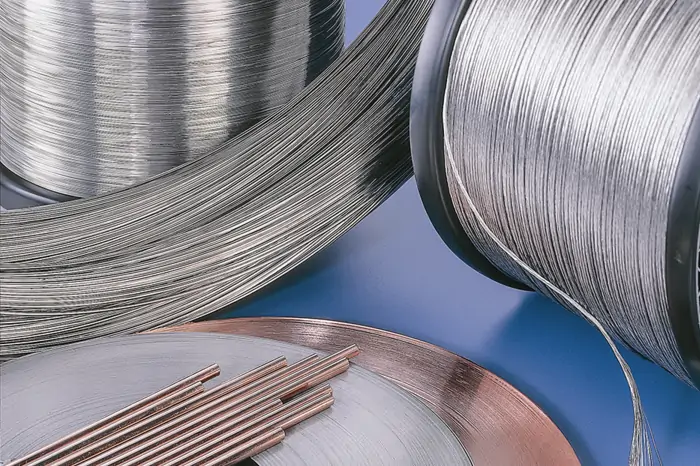
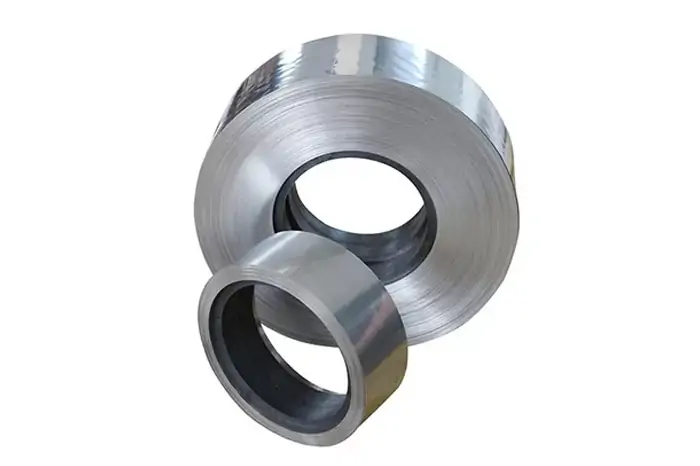

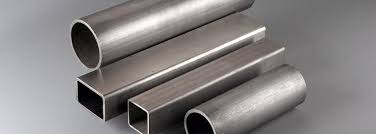
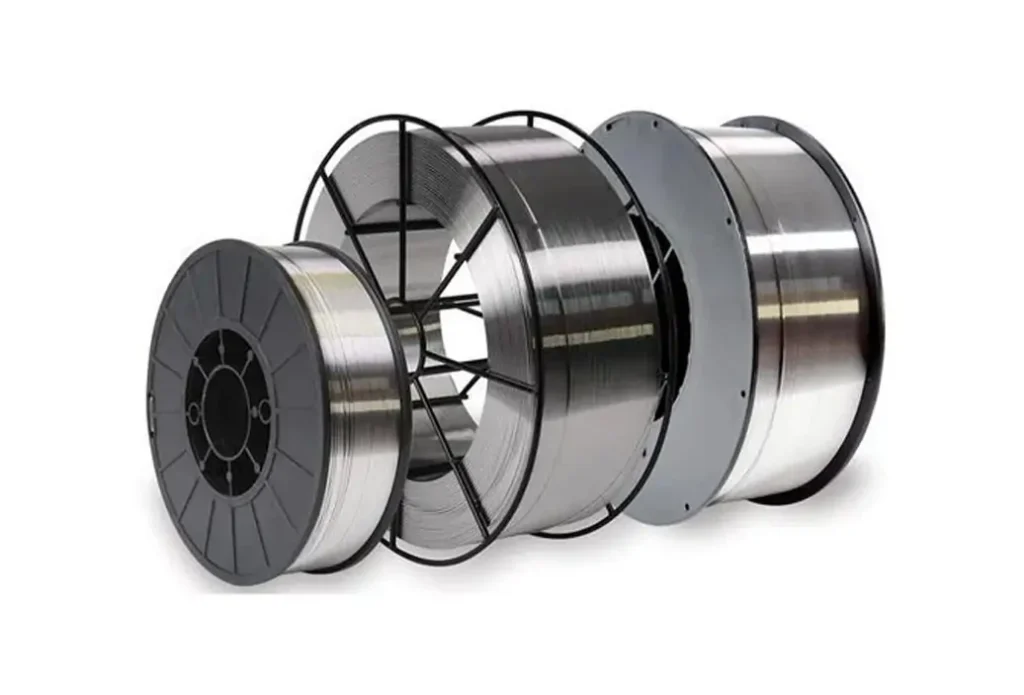
High precision aluminum casting alloys are engineered to deliver exceptional dimensional accuracy, fine surface finishes, and excellent mechanical properties for complex components. By combining the natural benefits of aluminum—light weight, corrosion resistance, and thermal conductivity—with advanced alloying techniques, these materials meet the demanding requirements of industries such as aerospace, automotive, electronics, and high-end consumer goods. Their ability to produce intricate shapes with minimal machining makes them a cost-effective choice for manufacturers seeking both performance and efficiency.

High precision casting alloys typically include aluminum as the base element combined with controlled amounts of silicon, magnesium, copper, or zinc. Each alloying element contributes unique characteristics:
These alloys exhibit excellent strength-to-weight ratios, high thermal and electrical conductivity, and good resistance to corrosion—especially when treated with surface finishes such as anodizing or powder coating.
Several advanced processes are commonly used to produce high precision aluminum castings:
Each method can be tailored to specific alloy compositions and component requirements, allowing manufacturers to balance cost, precision, and production volume.
High precision aluminum casting alloys are critical in a variety of industries:

Compared to steel, high precision aluminum castings are significantly lighter, which reduces transportation and operational costs. They also offer superior corrosion resistance, minimizing the need for protective coatings. Versus plastics, aluminum provides much higher strength, better thermal properties, and a more premium feel, making it ideal for demanding mechanical or aesthetic applications.
To ensure the highest quality, manufacturers employ rigorous testing and inspection methods such as X-ray analysis, ultrasonic testing, and coordinate measuring machines (CMM). Heat treatment and precision machining may be used to further refine mechanical properties and meet critical tolerances. Advanced simulation software also helps predict metal flow and solidification to reduce defects before production begins.
Aluminum is fully recyclable without losing its properties, and precision casting minimizes material waste. These attributes contribute to lower environmental impact and align with global sustainability goals. Components made from high precision aluminum alloys typically offer long service life with minimal maintenance, reducing total cost of ownership.
High precision aluminum casting alloys combine lightweight strength, excellent corrosion resistance, and exceptional dimensional accuracy, making them indispensable for industries where performance and reliability are paramount. Whether for aerospace structures, automotive systems, or sophisticated electronic housings, these alloys provide manufacturers with a versatile, sustainable, and cost-effective solution for creating complex, high-quality components.