- Danyang Yisheng, Your Trusted Partner for High-Quality Alloy Solutions!



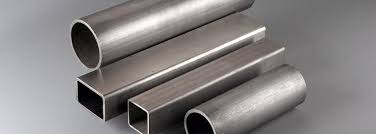

When it comes to industrial piping, choosing the right material is crucial for ensuring durability and performance. One such material that has gained popularity due to its exceptional properties is the 825 nickel alloy welded pipe. This article explores the advantages of using 825 nickel alloy welded pipes across various industries, particularly focusing on their corrosion resistance, high-temperature performance, and versatility.
825 nickel alloy, also known as Alloy 825, is a nickel-iron-chromium alloy with additions of molybdenum, copper, and titanium. This unique composition makes it an ideal choice for a variety of demanding applications. It’s particularly known for its excellent resistance to corrosion, making it a preferred option for use in harsh environments.

The chemical composition of 825 nickel alloy is what sets it apart. Nickel contributes to its superior corrosion resistance, while chromium enhances its ability to withstand oxidizing environments. Molybdenum and copper are added to improve resistance to reducing acids, such as sulfuric and phosphoric acids. Titanium is included to stabilize the alloy and prevent intergranular corrosion after welding.
This combination of elements results in a material that maintains its integrity even under extreme conditions, making it suitable for a wide range of industrial applications.
One of the primary reasons industries opt for 825 nickel alloy welded pipes is their outstanding corrosion resistance. They are highly effective in environments where they are exposed to both oxidizing and reducing acids. This makes them a great fit for chemical processing industries where corrosive substances are handled regularly.
 Moreover, these pipes exhibit excellent resistance to chloride-ion stress-corrosion cracking, a common issue in marine environments. This makes them ideal for use in offshore oil and gas extraction as well as marine engineering projects.
825 nickel alloy pipes are designed to perform exceptionally well at elevated temperatures. They retain their strength and corrosion-resistant properties even at temperatures as high as 1000°F (538°C). This makes them suitable for applications in industries such as power generation and petrochemical processing, where high temperatures are a part of the operational environment.
The versatility of the 825 nickel alloy pipe is another significant advantage. It can be used in a wide range of applications, from chemical processing and nuclear fuel reprocessing to pollution control equipment and oil and gas extraction. This adaptability makes it a cost-effective option for industries that require reliable and durable piping solutions.
In addition, the durability of these pipes ensures a long service life, reducing the need for frequent replacements and repairs. This not only cuts down on maintenance costs but also minimizes downtime, thereby enhancing productivity.
In the chemical processing industry, the ability to withstand aggressive chemicals is paramount. 825 nickel alloy welded pipes are often used in the production of equipment like heat exchangers, pressure vessels, and process piping. Their resistance to both oxidizing and reducing acids makes them an invaluable asset in this sector.
Given their resistance to corrosion, particularly in chloride-rich environments, these pipes are well-suited for marine applications. They are commonly used in the construction of seawater cooling systems, offshore oil rigs, and other marine engineering projects.
The oil and gas sector benefits greatly from the use of 825 nickel alloy welded pipes. Their ability to handle high-pressure and high-temperature environments makes them ideal for transporting crude oil and natural gas. Additionally, their resistance to sour gas conditions (presence of hydrogen sulfide) is a critical factor in their selection.
In power plants, especially those utilizing nuclear and coal-fired systems, 825 nickel alloy pipes are used for their ability to withstand high temperatures and corrosive environments. They are essential in maintaining the efficiency and safety of power generation processes.

Choosing the right material for industrial piping is essential for ensuring the longevity and effectiveness of the system. The 825 nickel alloy welded pipe stands out due to its exceptional corrosion resistance, high-temperature performance, and versatility across various industries.
From chemical processing to marine engineering, these pipes offer a reliable and durable solution for handling challenging environments. Their ability to resist a wide range of corrosive substances and maintain structural integrity at high temperatures makes them a preferred choice for engineers and industry professionals.
Incorporating 825 nickel alloy welded pipes into your projects not only enhances the durability and reliability of your systems but also contributes to cost savings by reducing maintenance and repair needs. Whether you’re dealing with harsh chemicals, high temperatures, or corrosive marine conditions, these pipes provide a robust solution for your industrial needs.
By understanding the advantages and applications of 825 nickel alloy welded pipes, you can make informed decisions that improve the performance and longevity of your piping systems. Consider these factors when selecting materials for your next industrial project, and experience the benefits of using high-quality nickel alloy piping.