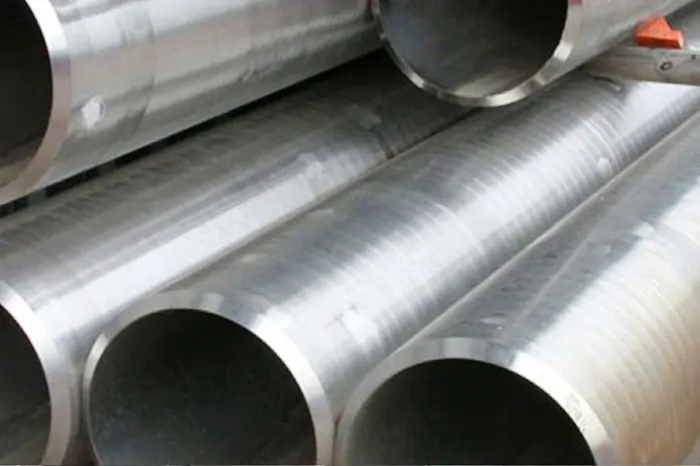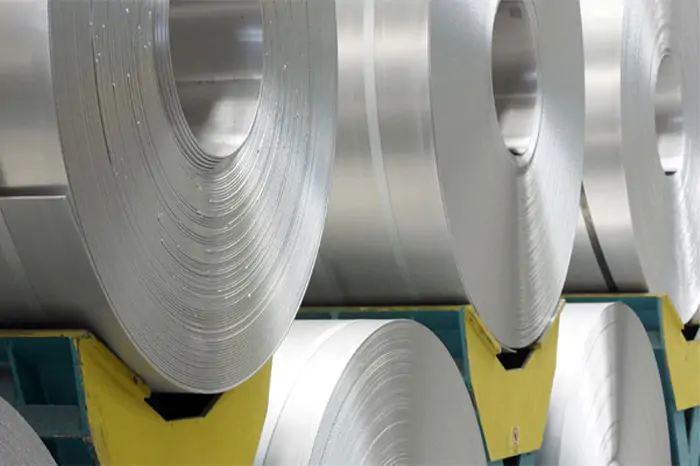

High-temperature aluminum alloys are rapidly gaining recognition across various industries due to their remarkable properties. These alloys, known for their thermal stability and high strength, are becoming essential materials in sectors requiring durable performance under extreme conditions. Let’s delve into the advantages of using high-temp aluminum alloys and why they are a preferred choice in many applications.

One of the most significant advantages of high-temperature aluminum alloys is their excellent thermal stability. These alloys maintain their strength and integrity even at elevated temperatures, making them ideal for environments where thermal resistance is crucial. The combination of high strength and heat resistance allows these alloys to perform exceptionally well in industries such as aerospace and automotive, where materials are frequently exposed to high temperatures.
Versatility in Applications
High-temperature aluminum alloys are incredibly versatile. They are commonly used in the aerospace industry, where weight and strength are critical factors. The reduced weight of aluminum, coupled with its robust performance, makes it an ideal choice for aircraft components. Additionally, these alloys are used in automotive engines and industrial applications, where they contribute to improved fuel efficiency and performance.
Aluminum Heat Treatment
Heat treatment plays a vital role in enhancing the properties of high-temp aluminum alloys. Through processes like solution heat treatment and aging, these alloys achieve improved mechanical properties, such as increased strength and durability. This treatment allows for customization of the alloy’s characteristics to suit specific application needs, providing significant flexibility in industrial uses.
Durability and Corrosion Resistance

In addition to their high strength, high-temperature aluminum alloys offer excellent corrosion resistance. This makes them suitable for use in harsh environments where exposure to moisture and other corrosive elements is a concern. The durability of these alloys ensures long-lasting performance, reducing the need for frequent replacements and maintenance, thus offering cost-effectiveness in the long run.
Variety of Aluminum Alloy Types
The diversity of aluminum alloy types available allows for specific tailoring to different industrial requirements. Whether it’s for casting or forming, there are numerous alloys designed to meet particular specifications. For instance, casting alloys are known for their excellent fluidity and strength, making them suitable for complex shapes and structures.
Conclusion
In conclusion, high-temperature aluminum alloys offer a wealth of advantages, including outstanding thermal stability, high strength, and versatility across various applications. Their ability to withstand extreme conditions while maintaining performance makes them indispensable in industries like aerospace and automotive. With continued advancements in aluminum alloy technology, we can expect even greater improvements in performance and application possibilities.
These alloys not only enhance the efficiency and reliability of products but also contribute to innovation and development within multiple sectors. As industries continue to push the boundaries of what is possible, high-temperature aluminum alloys will undoubtedly remain at the forefront of material science innovation.