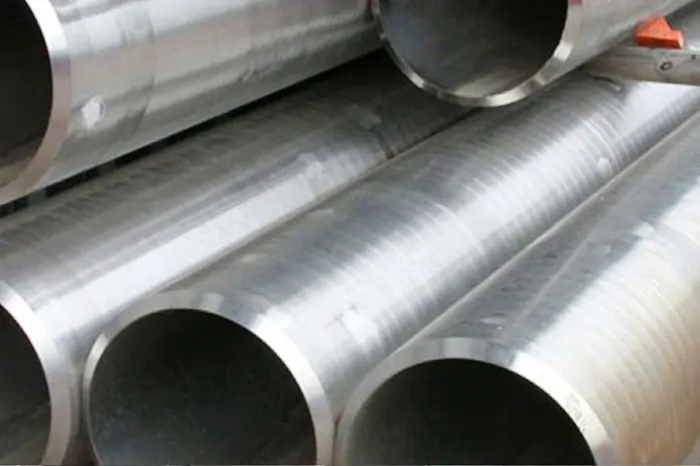
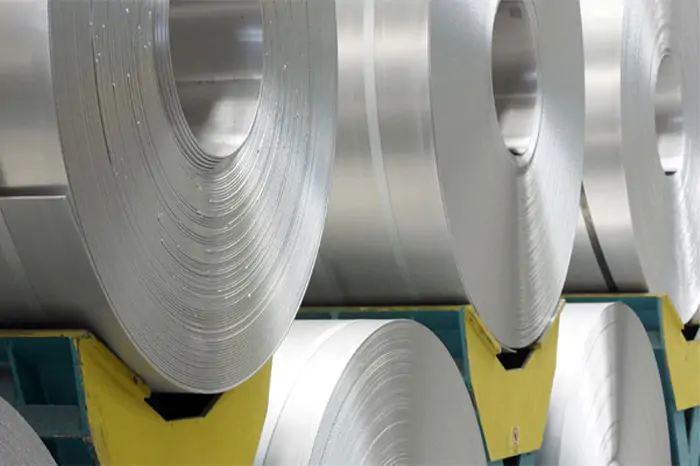
High-temperature alloys, also known as heat-resistant alloys, are materials designed to perform well under extreme conditions. These metals are pivotal in industries that demand materials capable of withstanding high temperatures and pressures. From aerospace to power generation, high-temperature alloys play a crucial role in ensuring efficiency and safety. In this article, we’ll explore the properties, applications, and characteristics of these remarkable materials.
Table of Contents
ToggleWhat Are High-Temperature Alloys?
High-temperature alloys are a class of metals known for their ability to maintain strength and stability at elevated temperatures. These alloys are typically composed of a combination of metals, with nickel, cobalt, and iron serving as common base elements. The performance of these alloys in harsh environments makes them indispensable in industries like aerospace, automotive, and energy.
Key Properties
Creep Strength: Creep is the tendency of a material to deform permanently under mechanical stress. High-temperature alloys exhibit superior creep strength, allowing them to maintain their shape and functionality under prolonged exposure to high temperatures and stress.
Thermal Stability: These alloys can withstand high temperatures without losing their structural integrity. Their thermal stability ensures they perform reliably in high-heat environments.
Oxidation Resistance: Oxidation resistance is the ability of a material to resist degradation when exposed to oxygen at high temperatures. High-temperature alloys are formulated to resist oxidation, preventing corrosion and extending their lifespan.
High Performance: Their unique composition allows high-temperature alloys to offer high performance in demanding applications, making them ideal for use in critical components like turbine blades and engine parts.
Common Types
Nickel-Based Alloys: Among the most widely used high-temperature materials. They offer excellent mechanical properties, corrosion resistance, and strength at high temperatures. Common in jet engines and gas turbines.
Cobalt-Based Alloys: Provide exceptional wear resistance and thermal stability, suitable for cutting tools and medical implants.
Iron-Based Alloys: More economical but still effective, used in industrial furnaces and other high-heat applications where cost is a factor.
Major Applications
High-temperature alloys are utilized in a variety of industries due to their exceptional properties. Here are some common applications:
Aerospace: Used in jet engines, turbine blades, and critical components that face temperatures above 1,500°F.
Power Generation: Essential in gas turbines and nuclear reactors for heat and corrosion resistance.
Automotive: Applied in exhaust systems and turbochargers to endure high heat and stress.
Industrial Equipment: Common in furnaces, heat exchangers, and chemical processing due to their resistance to thermal fatigue.
Future Developments
As technology advances, the demand for materials that can withstand extreme conditions continues to grow. Researchers are constantly exploring new compositions and manufacturing techniques to enhance the properties of high-temperature alloys. Innovations in alloy design could lead to even higher performance materials, opening up new possibilities in various industries.
Superalloy Innovations
One area of advancement is the development of superalloys—materials that offer superior mechanical strength and resistance to thermal creep deformation. These alloys are engineered to perform exceptionally well in high-stress, high-temperature environments.
Sustainability in Alloy Production
With a growing focus on sustainability, the development of high temperature alloys also considers environmental impact. Recycling and reusing materials, as well as improving manufacturing efficiency, are key factors in the future of alloy production.
Conclusion
High temperature alloys are vital to modern industry, providing the strength and durability needed to operate in extreme conditions. From aerospace to automotive, these materials ensure that critical components function safely and efficiently. As research and technology progress, the potential for high temperature alloys to revolutionize various sectors remains promising. Understanding their properties and applications is essential for leveraging their full potential in any high-performance environment.