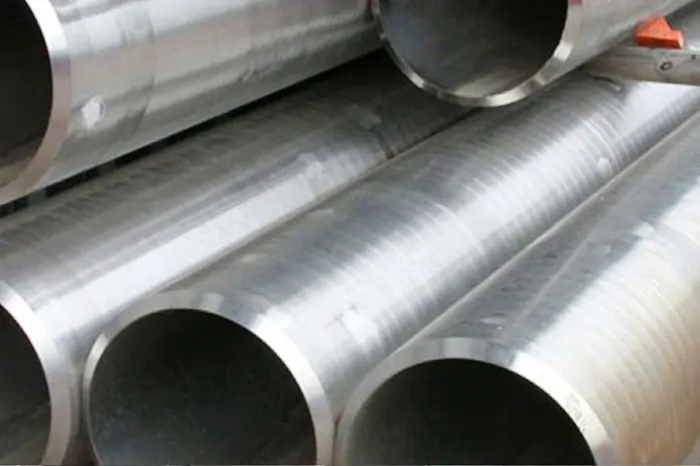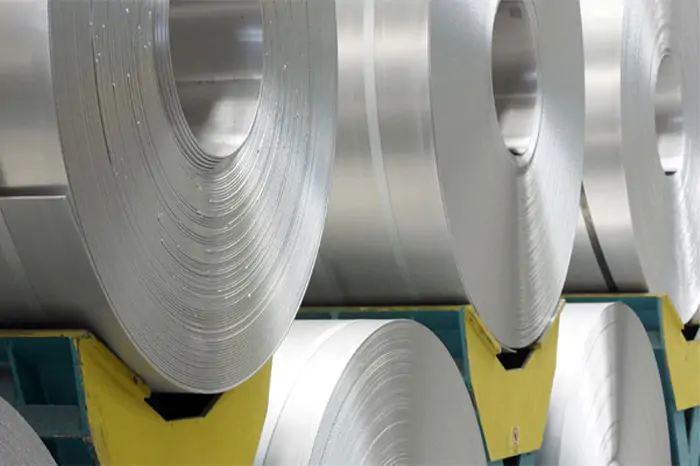

Introduction: The Strength of Stainless Steel
In a world where durability and longevity are paramount, high-strength corrosion-resistant stainless steel stands out as a champion in the realm of industrial metals. As industries evolve, the demand for materials that can withstand harsh environments while maintaining their structural integrity continues to rise. In this article, we will explore the unique characteristics of high-strength corrosion-resistant stainless steel, its various grades, and its applications across different sectors.
Table of Contents
ToggleAdvancements Driving Material Innovation
The advancements in technology have further amplified the necessity for materials that are both resilient and versatile. High-strength corrosion-resistant stainless steel meets these demands by offering a combination of robustness and resistance to environmental degradation. This article explores the science behind its remarkable properties, as well as its significance in various sectors, including construction and food processing.
What is High Strength Corrosion-Resistant Stainless Steel?
High-strength corrosion-resistant stainless steel is a type of stainless steel that combines both robustness and resistance to corrosion. This makes it an ideal choice for applications where both mechanical strength and resistance to corrosive elements are crucial. It is an alloy primarily made up of iron, chromium, and nickel, with the addition of other elements to enhance its properties.
Key Properties of High-Strength Stainless Steel
Corrosion Resistance
The addition of chromium to the alloy provides a passive layer that protects the steel from oxidation and corrosion.
High Strength
Enhanced by elements such as nickel and molybdenum, these steels exhibit high tensile strength, making them suitable for heavy-duty applications.
Heat Resistance
Many grades of stainless steel can withstand high temperatures, making them suitable for industries such as chemical manufacturing and power generation.
Types and Grades of Stainless Steel
Stainless steel is not a one-size-fits-all material. It comes in various grades and types, each with specific characteristics suited to different applications.
Austenitic Stainless Steels
Austenitic stainless steels are the most common type, known for their excellent corrosion resistance and formability. They are often used in household items, construction, and medical industries due to their toughness and biocompatibility.
Ferritic Stainless Steels
Ferritic stainless steels are magnetic and contain lower nickel content. They are used in automotive and industrial applications for their cost-effectiveness and sufficient corrosion resistance in indoor environments.
Martensitic Stainless Steels
Martensitic stainless steels are recognized for their exceptional strength and hardness, which are achieved through heat treatment. They are commonly used in knives, cutting tools, and aerospace components where durability and sharpness are vital.
Duplex Stainless Steels
Duplex stainless steel combines the properties of both austenitic and ferritic steels, offering superior strength and corrosion resistance. It is widely used in chemical processing, oil, and gas industries for its resistance to chloride stress corrosion cracking and cost efficiency.
Industrial Applications
Chemical Processing
High-strength stainless alloys resist corrosion and maintain integrity under harsh chemical exposure and high temperatures.
Oil and Gas
Duplex stainless steels are preferred for pipelines, valves, and offshore platforms due to their strength and resistance to seawater corrosion.
Construction
Stainless steel’s aesthetic appeal, recyclability, and durability make it ideal for bridges, skyscrapers, and modern architectural designs.
Food and Beverage
Its corrosion resistance, hygiene, and non-reactive surface make stainless steel perfect for food equipment, storage, and processing applications.
Heat Treatment Processes
Annealing
Softens the metal, improves corrosion resistance, and enhances ductility.
Quenching and Tempering
Increases hardness and toughness for martensitic steels.
Solution Treatment
Applied to austenitic steels to maintain ductility and corrosion resistance.
Selecting the Right Stainless Steel Grade
Selecting the appropriate grade is crucial for ensuring the success of any application. Consider the environment, mechanical load, and temperature conditions when making your choice.
Conclusion: The Enduring Value of Stainless Steel
High-strength corrosion-resistant stainless steel is an invaluable material across industries, offering durability, strength, and resistance to corrosion. Its versatility ensures it remains a cornerstone of modern engineering, capable of meeting the demands of evolving industrial applications.