
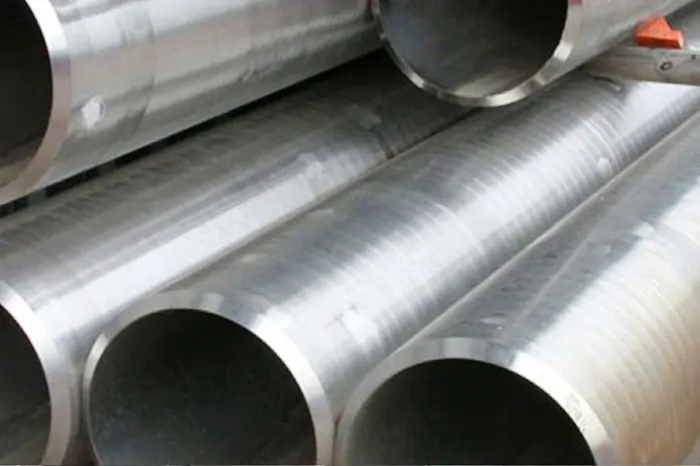
When it comes to marine environments, the battle against corrosion is a constant challenge. The salty air, moisture, and harsh conditions can quickly degrade materials, causing damage and reducing the lifespan of marine equipment. That’s where corrosion-resistant alloys come into play, providing the durability and resilience needed to withstand the test of time in such demanding settings.
Understanding Corrosion in Marine Environments
Corrosion is a natural process that occurs when metals react with their environment, leading to the gradual deterioration of the material. In marine environments, this process is accelerated due to the presence of saltwater, which acts as an electrolyte, facilitating the electrochemical reactions that cause corrosion.
Why Is Corrosion Resistance Important?
In marine settings, corrosion can have serious consequences. It can weaken structures, lead to equipment failure, and result in costly repairs and replacements. For businesses operating in marine industries, such as shipping, offshore drilling, and coastal construction, choosing the right materials is crucial to ensure safety, reliability, and cost-effectiveness.

Types of Corrosion-Resistant Alloys
Various corrosion-resistant alloys have been developed to combat the challenges of marine environments. These materials are engineered to withstand the corrosive effects of saltwater and other harsh conditions.
Stainless Steel Alloys
Stainless steel is a popular choice for marine applications due to its excellent corrosion resistance and strength. It contains chromium, which forms a protective oxide layer on the surface, preventing further corrosion. Common stainless steel grades used in marine environments include:
- 316 Stainless Steel: Known for its high resistance to chloride corrosion, making it ideal for saltwater applications.
- Duplex Stainless Steel: Offers superior strength and corrosion resistance, particularly against stress corrosion cracking.
Aluminum Alloys
Aluminum alloys are valued for their lightweight properties and resistance to corrosion. They form a protective oxide layer that helps prevent further deterioration. Some of the commonly used aluminum alloys in marine settings include:
- 5083 Aluminum Alloy: Known for its exceptional resistance to seawater corrosion and excellent weldability.
- 6061 Aluminum Alloy: Offers good corrosion resistance and mechanical properties, making it suitable for various marine applications.
Copper-Nickel Alloys
Copper-nickel alloys are often used in marine environments due to their resistance to biofouling and corrosion. They are commonly used in applications like seawater piping and heat exchangers. The typical copper-nickel alloy used is:
- 90/10 Copper-Nickel: Contains 90% copper and 10% nickel, providing excellent resistance to seawater corrosion and erosion.
Titanium Alloys
Titanium is known for its exceptional corrosion resistance in marine environments. It forms a stable oxide layer that protects it from corrosion. Titanium alloys are used in critical applications, such as:
- Grade 5 Titanium (Ti-6Al-4V): Offers high strength, lightweight, and excellent resistance to seawater corrosion.
Applications of Corrosion-Resistant Alloys in Marine Environments
Corrosion-resistant alloys are used in a wide range of marine applications to enhance durability and performance.
Marine Equipment
In marine equipment, materials must withstand constant exposure to saltwater and extreme conditions. Corrosion-resistant alloys are used in the construction of:
- Propellers and Shafts: Stainless steel and copper-nickel alloys are commonly used for their strength and resistance to corrosion.
- Boat Hulls and Frames: Aluminum alloys are favored for their lightweight and corrosion resistance.
- Fasteners and Fittings: Stainless steel fasteners are used to ensure the longevity and reliability of marine structures.
Offshore Structures
Offshore structures, such as oil rigs and wind farms, require materials that can endure harsh marine conditions. Corrosion-resistant alloys play a critical role in:
- Structural Components: Duplex stainless steel and titanium alloys are used for their strength and corrosion resistance.
- Pipelines and Valves: Copper-nickel alloys are often used for their resistance to biofouling and corrosion.
Coastal Construction
Coastal construction projects, including bridges and piers, demand materials that can withstand the corrosive effects of saltwater and weathering. Corrosion-resistant alloys are used in:
- Reinforced Concrete: Stainless steel reinforcements help prevent corrosion and extend the lifespan of concrete structures.
- Protective Coatings: Applying corrosion-resistant coatings to exposed surfaces enhances durability and reduces maintenance costs.

Choosing the Right Corrosion-Resistant Alloy
Selecting the appropriate corrosion-resistant alloy for marine environments depends on several factors, including:
- Environmental Conditions: Assess the specific marine conditions, such as temperature, salinity, and exposure to chemicals.
- Material Properties: Consider the mechanical properties, such as strength, weight, and weldability, in addition to corrosion resistance.
- Cost and Availability: Evaluate the cost-effectiveness and availability of the alloy for the intended application.
Conclusion
In the challenging world of marine environments, corrosion-resistant alloys are essential for ensuring the longevity and performance of structures and equipment. By understanding the properties and applications of these materials, industries can make informed decisions that enhance safety, reliability, and cost-effectiveness.
Whether it’s stainless steel, aluminum, copper-nickel, or titanium alloys, choosing the right material can make all the difference in navigating the corrosive waters of marine environments. Embrace the power of corrosion-resistant alloys and safeguard your marine investments for the future.