
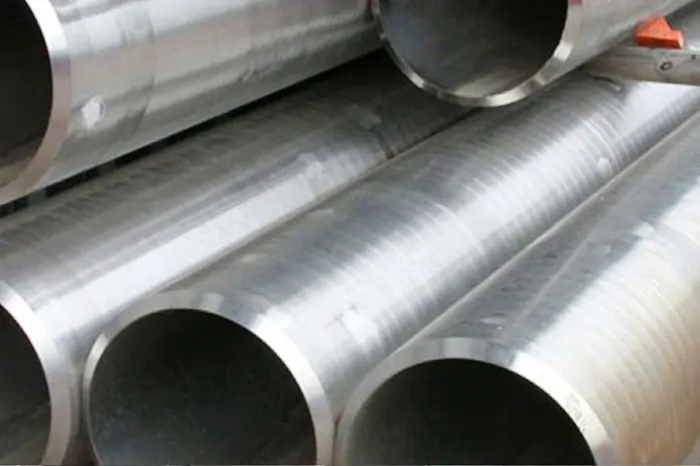
When it comes to selecting materials for industrial applications, understanding the properties of corrosion-resistant alloys is crucial. These alloys are designed to withstand harsh environments, making them invaluable in various sectors. One of the key properties to consider is the density of these materials. Density affects not only the weight but also the performance and durability of the material under specific conditions. In this article, we’ll explore what makes these alloys corrosion-resistant, how their density compares to other materials, and why this information is vital for industrial applications.

Corrosion-resistant alloys are specially formulated metals that can withstand harsh environmental conditions without degrading. These materials are essential in industries such as chemical processing, oil and gas, marine, and construction. Their ability to resist corrosion helps prevent structural failures, which can lead to costly repairs and safety hazards. The development of these alloys involves sophisticated metallurgical techniques to ensure they can endure exposure to corrosive substances like acids, alkalis, and saltwater.
Corrosion-resistant alloys are not only about resistance to degradation but also about maintaining their mechanical properties over time. This endurance is vital in environments where failures can have catastrophic consequences. The industries that rely on these materials are often those where the failure of a component can lead to environmental disasters or significant financial loss. As such, the development and selection of these alloys involve rigorous testing and standards to ensure reliability and safety.
Key Factors in Corrosion Resistance
Corrosion resistance in alloys is achieved through careful selection and combination of metals. Elements such as chromium, nickel, and molybdenum are often added to enhance an alloy’s ability to withstand corrosive environments. These elements are chosen based on their ability to form protective layers or to enhance the mechanical properties of the alloy under corrosive conditions.
- Chromium: This element forms a passive layer of chromium oxide on the surface of the metal, which acts as a barrier to prevent further corrosion. This passive layer is self-repairing; if it is scratched or damaged, it can reform in the presence of oxygen, providing ongoing protection.
- Nickel: Adding nickel improves the overall toughness of an alloy and enhances its resistance to various types of corrosion. Nickel alloys are particularly effective in environments that involve both high temperatures and corrosive substances.
- Molybdenum: This element boosts the alloy’s resistance to pitting and crevice corrosion, particularly in chloride-rich environments. Molybdenum is often used in marine environments where saltwater exposure is a primary concern.
These elements work synergistically to improve the performance of the alloy, ensuring that it can withstand both chemical and physical challenges. The right balance of these elements can result in an alloy that not only resists corrosion but also maintains strength and ductility.
Understanding Density in Alloys

Density is a fundamental property of materials, defined as mass per unit volume. It is expressed in grams per cubic centimeter (g/cm³) or kilograms per cubic meter (kg/m³). The density of an alloy can affect its strength, weight, and overall performance in a specific application. In industries where weight and strength are critical, understanding the density of materials helps in designing efficient and effective solutions.
Density plays a significant role in the manufacturing and application of materials. High-density materials might offer superior strength and durability, but they can also be more challenging to work with and transport. Conversely, low-density materials might be easier to handle but may not provide the necessary strength for certain applications. This balance between density, strength, and usability is a critical consideration in material selection.
Importance of Density in Material Selection
When selecting materials for industrial applications, the density of an alloy plays a significant role in determining its suitability for a particular use. Here are some reasons why density is important:
- Weight Considerations: In applications where weight is a critical factor, such as aerospace or transportation, selecting a material with an appropriate density can help reduce overall weight without compromising strength. Lightweight materials can improve fuel efficiency and reduce transportation costs, making them attractive in many industrial sectors.
- Strength and Durability: The density of a material can influence its mechanical properties, such as tensile strength and durability. A denser alloy might be stronger and more resistant to wear and tear. This is particularly important in applications where materials are subjected to high stress or abrasive environments.
- Cost Efficiency: Understanding the density of materials can help in cost estimation for projects. Denser materials may be more expensive due to higher raw material costs and manufacturing processes. However, they might offer longer lifespans and reduced maintenance costs, leading to overall savings.
The balance between density and other material properties is crucial for optimizing performance and cost-effectiveness. By carefully considering these factors, industries can select the most appropriate materials for their specific needs.
Comparing Alloy Densities
Stainless Steel Density
Stainless steel is a popular corrosion-resistant alloy used in various industries. Its density typically ranges from 7.5 to 8.0 g/cm³. The exact density depends on the specific grade of stainless steel and its composition. Stainless steel’s combination of strength, corrosion resistance, and relatively high density makes it suitable for a wide range of applications. Its versatility and reliability have made it a staple in industries ranging from construction to medical devices.
The various grades of stainless steel are tailored for specific applications, with adjustments in composition to meet particular performance criteria. For example, some grades are optimized for high-temperature environments, while others are designed for enhanced corrosion resistance. This adaptability makes stainless steel a highly sought-after material in diverse sectors.
Duplex Alloy Density
Duplex alloys are a family of stainless steels known for their excellent strength and corrosion resistance. They have a density similar to that of stainless steels, generally ranging from 7.8 to 8.0 g/cm³. The duplex structure, combining austenitic and ferritic phases, provides superior mechanical properties and corrosion resistance. This dual-phase structure enhances the alloy’s performance in environments that are both corrosive and physically demanding.
The unique properties of duplex alloys make them particularly useful in the oil and gas industry, where materials must withstand high pressure and corrosive media. Their strength and resistance to stress corrosion cracking make them ideal for pipelines, pressure vessels, and other critical components.
Nickel Alloy Density
Nickel alloys are known for their exceptional corrosion resistance and high-temperature performance. Their density usually falls between 8.4 and 8.9 g/cm³. Nickel alloys are often used in environments where both high temperatures and corrosive substances are present, such as in chemical processing and power generation. The ability of nickel alloys to maintain integrity under these conditions makes them indispensable in industries that demand both durability and performance.
In addition to their use in high-temperature environments, nickel alloys are also valued for their resistance to oxidation and carburization. This makes them suitable for applications such as jet engines, where materials are exposed to extremely high temperatures and corrosive gases.
Corrosion-Resistant Alloy Properties and Their Applications

Understanding the material properties of corrosion-resistant alloys is essential for selecting the right material for your application. Here are some common applications and the types of alloys typically used:
- Chemical Processing: Alloys like Hastelloy and Inconel, with high corrosion resistance and nickel content, are ideal for handling aggressive chemicals and high temperatures. These alloys can withstand the harsh conditions found in chemical reactors, piping, and heat exchangers, ensuring long-term performance and safety.
- Oil and Gas: Duplex stainless steels are commonly used in oil and gas applications due to their strength and resistance to chloride-induced stress corrosion cracking. These materials are essential for offshore platforms, pipelines, and other infrastructure where reliability and durability are paramount.
- Marine Environments: Aluminum bronzes and certain grades of stainless steel offer good corrosion resistance in seawater and are used for marine engineering. These materials are used in shipbuilding, underwater structures, and other applications where exposure to saltwater is a constant concern.
- Construction and Architecture: Stainless steel’s aesthetic appeal, combined with its resistance to corrosion, makes it a popular choice for architectural applications. It is used in building facades, bridges, and sculptures, where durability and visual appeal are important.
The careful selection of materials based on their properties ensures that they meet the specific demands of each application, leading to enhanced performance, safety, and longevity.
Conclusion
In summary, understanding the density and material properties of corrosion-resistant alloys is crucial for making informed decisions in industrial applications. The right choice of material can enhance performance, ensure safety, and provide cost-effective solutions in corrosive environments. By considering factors such as density, strength, and corrosion resistance, you can select the most suitable alloy for your specific needs.
When it comes to corrosion-resistant materials, knowledge is power. Make sure to evaluate the density and other properties of your materials to ensure optimal performance and longevity in your projects. The right material choice is not just about meeting the immediate needs but also about ensuring sustainability and reliability over time.