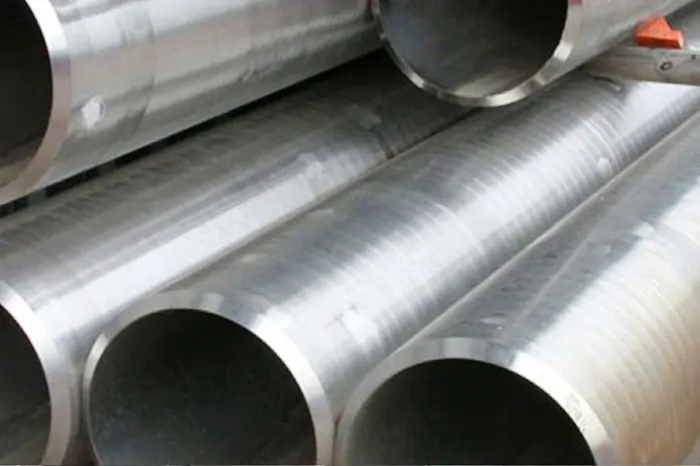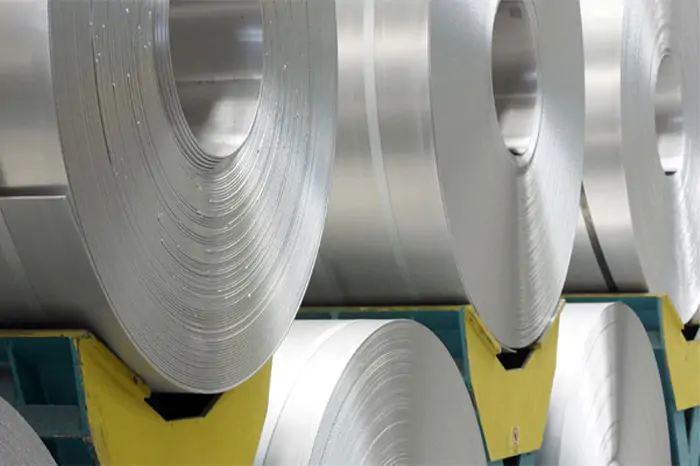

Aluminum alloys have long been valued for their lightweight and versatile properties, but did you know that certain alloys are capable of withstanding high temperatures? In industries where thermal stability is crucial, such as aerospace and automotive, these heat-resistant aluminum alloys play a pivotal role. Let’s delve into the world of aluminum materials designed for high-temperature applications and discover their benefits.

High-temperature aluminum alloys are engineered to perform under extreme heat conditions, maintaining their strength and integrity. These alloys are often developed by combining aluminum with other metals like silicon, copper, and magnesium. The result is a robust material that can withstand elevated temperatures while providing the same lightweight advantage that aluminum is known for.
Key Applications in Aerospace and Automotive
In the aerospace industry, high-temperature aluminum alloys are indispensable. Components such as engine parts and exhaust systems benefit from the thermal stability and high strength that these alloys offer. Similarly, in the automotive sector, aluminum casting is utilized to create heat-resistant components that can endure the intense heat generated by high-performance engines.
Advantages of Using Aluminum in High-Temperature Scenarios

One of the primary advantages of using aluminum alloys in high-temperature applications is their excellent thermal conductivity. This property allows for efficient heat dissipation, reducing the risk of overheating in critical components. Additionally, aluminum’s corrosion resistance ensures longevity and durability, even in harsh environments.
Innovations in Heat-Resistant Alloys
The development of new aluminum alloys continues to push the boundaries of what is possible in high-temperature scenarios. Advances in metallurgy have led to the creation of alloys that not only resist heat but also offer increased strength and fatigue resistance. These innovations are paving the way for more efficient and reliable high-temperature metals in various industrial applications.
Challenges and Considerations
Despite its benefits, working with heat-resistant aluminum comes with its challenges. The process of alloying and casting can be complex, requiring precise control over the composition and cooling rates. Moreover, not all aluminum alloys are suited for high-temperature use, so selecting the right alloy for your specific application is critical.
Conclusion
Aluminum alloys designed for high-temperature applications are a testament to the material’s versatility and engineering potential. From aerospace to automotive, these alloys provide the thermal stability and strength needed to perform under extreme conditions. As technology advances, we can expect even more innovative solutions to emerge, further solidifying aluminum’s role as a key player in high-temperature industrial applications.
Incorporating high-strength alloys into your projects can significantly enhance performance and longevity. If you’re considering aluminum components for high-temperature use, it’s essential to consult with experts to ensure you choose the right alloy for your needs.