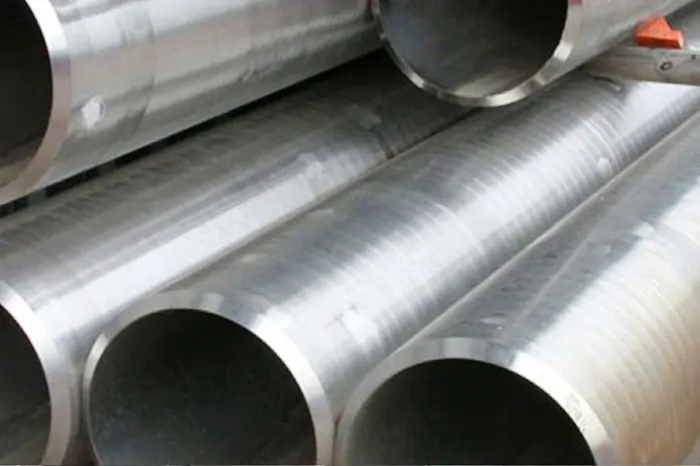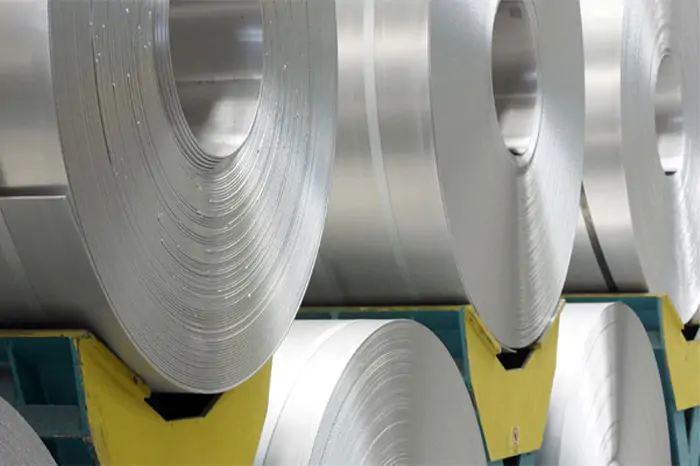

In this article, we will explore the advantages of high-temperature steel alloys, their compositions, and how they contribute to the efficiency and longevity of various applications. By delving into the specific properties and benefits of these advanced materials, we can better understand their role in enhancing industrial processes and supporting technological advancements.

High-temperature steel alloys are specialized metal mixtures engineered to maintain their strength and stability at elevated temperatures. These alloys are designed to withstand the harshest environments, making them ideal for applications where traditional metals would fail. They typically include elements like nickel, chromium, and molybdenum, which enhance their thermal and mechanical properties. Each of these elements plays a crucial role in ensuring the alloy can handle extreme conditions without compromising its integrity.
These alloys are categorized into several types, including high-temperature stainless steel alloys and high-temperature carbon steel alloys, each tailored for specific applications and conditions. The selection of a particular alloy type depends on the unique demands of the application, such as the level of heat resistance required or the exposure to corrosive environments. By choosing the appropriate alloy, industries can optimize performance and extend the lifespan of their equipment.
Composition of High Temperature Steel Alloys
The composition of high-temperature steel alloys is meticulously designed to ensure optimal performance. The careful selection and combination of elements are critical to achieving the desired properties. Key elements include:
- Nickel: Enhances corrosion resistance and toughness at high temperatures. Nickel’s presence in the alloy structure improves its ability to withstand thermal cycling and prevents embrittlement, ensuring long-term reliability.
- Chromium: Increases oxidation resistance and contributes to the formation of a protective oxide layer. This layer acts as a barrier against environmental damage, significantly extending the life of components exposed to high heat.
- Molybdenum: Boosts strength and resistance to wear and tear. Molybdenum’s addition provides exceptional stability at high temperatures, making it a vital component in alloys used for heavy-duty applications.
- Carbon: Provides additional strength and hardness. By adjusting the carbon content, manufacturers can fine-tune the hardness of the alloy, balancing strength with the necessary ductility for different applications.
These elements work together to create alloys that are not only heat-resistant but also maintain structural integrity under stress. The interplay between these components allows for the creation of custom alloys tailored to specific industrial needs, providing solutions that standard metals cannot achieve.
Advantages of High Temperature Steel Alloys
Heat Resistance

One of the most significant advantages of high-temperature steel alloys is their ability to withstand extreme heat without losing strength or integrity. This property is crucial in applications such as jet engines and power plants, where components are regularly exposed to high temperatures. The alloys’ ability to retain their mechanical properties at elevated temperatures ensures that they can operate safely and efficiently under conditions that would degrade other materials.
This heat resistance translates into improved performance and reliability, as components made from these alloys can endure prolonged exposure to high temperatures without degradation. This resilience is particularly important in maintaining the safety and efficiency of critical systems, reducing the risk of failure and the need for costly repairs or replacements.
Corrosion Resistance
High-temperature stainless steel alloys are particularly noted for their corrosion resistance. The chromium content in these alloys forms a passive oxide layer on the surface, protecting the underlying metal from oxidation and corrosion. This feature is vital in environments where exposure to corrosive gases and chemicals is common, such as chemical processing plants and marine applications.
This corrosion resistance not only extends the life of the components but also ensures consistent performance in challenging conditions. By preventing the degradation of material surfaces, these alloys maintain the integrity and safety of structures and machinery, reducing maintenance costs and downtime.
High Strength and Durability
High-strength steel is essential for applications that demand both toughness and resistance to deformation. High-temperature steel alloys maintain their strength even at elevated temperatures, ensuring that components can withstand mechanical stress without failure. This durability extends the service life of machinery and reduces the need for frequent maintenance and replacements.
Moreover, the ability of these alloys to withstand significant stress and strain without compromising their structural integrity makes them ideal for heavy-duty applications. Whether in construction, transportation, or industrial machinery, their strength and durability provide a reliable foundation for high-performance operations.
Versatility in Applications
The versatility of high-temperature steel alloys makes them suitable for a wide range of applications. From aerospace components that endure the rigors of space travel to industrial furnaces that operate at intense heat, these alloys provide reliable performance. Their ability to be customized for specific uses further enhances their value across different industries, allowing for tailored solutions that meet exacting standards.
This adaptability means that industries can leverage these alloys to improve efficiency and performance in various contexts, from high-tech manufacturing to traditional industrial applications. By selecting the right alloy for the job, businesses can achieve superior results and gain a competitive edge.
Applications of High Temperature Steel Alloys
Aerospace Industry
In the aerospace industry, high-temperature steel alloys are used in the construction of engines, turbines, and other components that face extreme conditions. Their heat resistance and strength ensure safety and efficiency in flight operations. The ability to withstand high temperatures and pressures allows for more powerful and efficient engines, contributing to advancements in aviation technology.
Additionally, these alloys are crucial in the development of new aerospace technologies, including space exploration vehicles that must operate in the most demanding environments. As the aerospace industry continues to push the boundaries of speed and altitude, high-temperature steel alloys play a pivotal role in achieving these ambitious goals.
Power Generation
Power plants rely on high-temperature carbon steel alloys and other variants to build boilers, heat exchangers, and turbines. These alloys help withstand the intense heat and pressure generated during energy production, ensuring reliable and continuous operation. The stability and efficiency provided by these materials contribute to the overall performance and safety of power generation systems.
Furthermore, as the demand for cleaner energy sources grows, high-temperature steel alloys are being used in the development of more efficient and environmentally friendly power generation technologies. By supporting higher temperatures and pressures, these alloys enable more efficient energy conversion, reducing emissions and improving sustainability.
Automotive Industry
High-temperature steel alloys are also utilized in the automotive industry, particularly in the production of exhaust systems and turbochargers. Their ability to resist heat and corrosion extends the lifespan of these components and improves vehicle performance. By maintaining their properties under extreme conditions, these alloys contribute to the development of more efficient and powerful engines.
Moreover, as the automotive industry shifts towards more sustainable technologies, high-temperature steel alloys are being used in the design of hybrid and electric vehicles. Their durability and heat resistance support the development of components that can withstand the unique demands of these advanced powertrains.
Manufacturing and Processing
In manufacturing, high-temperature alloys are used in equipment such as kilns, ovens, and reactors. Their durability and resistance to chemical attack make them ideal for processing harsh materials at high temperatures. This reliability ensures that manufacturing processes can operate smoothly and efficiently, even in the most challenging conditions.
The use of high-temperature steel alloys in manufacturing also supports the development of new and innovative materials and products. By enabling processes that require extreme conditions, these alloys contribute to advancements in various fields, from chemical production to advanced materials research.
Challenges and Considerations
While high-temperature steel alloys offer numerous benefits, there are challenges to consider in their application. The cost of producing these specialized alloys can be higher than standard metals, which may impact project budgets. Investing in these materials requires careful consideration of the long-term benefits and potential cost savings from reduced maintenance and increased durability.
Additionally, the fabrication and machining of high-temp alloys require specialized techniques and equipment to prevent damage or degradation. The complexity involved in working with these materials necessitates skilled labor and advanced technologies, which can further increase initial costs. Engineers and designers must consider these factors when selecting materials for high-temperature applications. Collaboration with material scientists and metallurgists can help optimize alloy selection and processing techniques to achieve desired outcomes.
Future Trends in High Temperature Steel Alloys

The future of high-temperature steel alloys is promising, with ongoing research focused on enhancing their properties and expanding their applications. Innovations in alloy composition and processing methods are expected to yield materials with even greater resistance to heat and corrosion. Researchers are exploring new combinations of elements and advanced manufacturing techniques to push the boundaries of what these alloys can achieve.
Advancements in computational modeling and materials science are also contributing to the development of alloys that are both high-performing and cost-effective. By simulating different alloy compositions and environmental conditions, scientists can predict performance and optimize materials for specific applications. As industries continue to demand materials that can withstand extreme conditions, high-temperature steel alloys will remain at the forefront of technological innovation.
As technology advances and new challenges arise, the role of high-temperature steel alloys will continue to evolve, driving progress and innovation across various fields. Their unique properties make them invaluable in sectors ranging from aerospace to manufacturing, where they contribute to safety, efficiency, and longevity.
Conclusion
High-temperature steel alloys are essential to modern industry, providing the strength, durability, and heat resistance needed for demanding applications. Their unique properties make them invaluable in sectors ranging from aerospace to manufacturing, where they contribute to safety, efficiency, and longevity. As technology advances and new challenges arise, the role of high-temperature steel alloys will continue to evolve, driving progress and innovation across various fields.
By understanding their advantages and applications, businesses can leverage these materials to enhance their operations and achieve greater success. As industries strive for improved performance and sustainability, high-temperature steel alloys will play an integral role in shaping the future of technology and industrial processes.