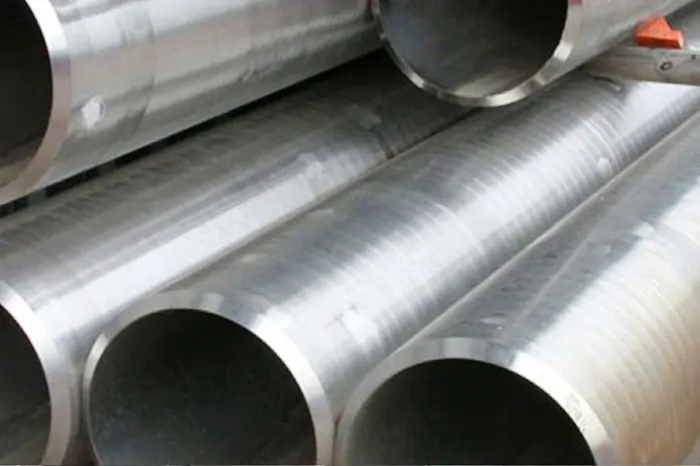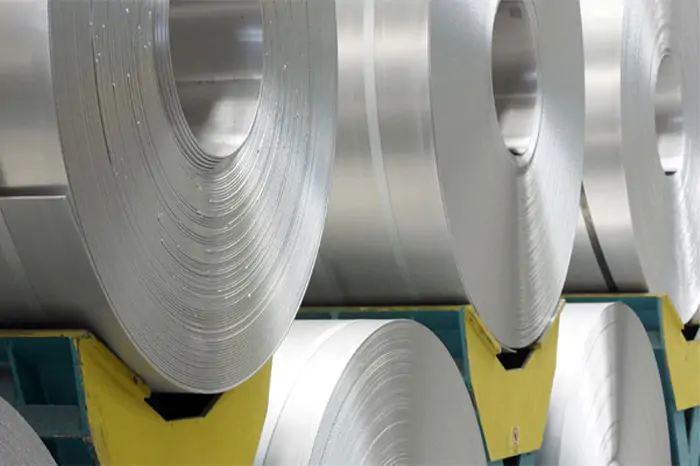

In today’s rapidly evolving industrial landscape, the need for materials that can withstand extreme environments is more critical than ever. High-temperature alloys, often referred to as high-performance alloys, play a pivotal role in addressing these demands. These advanced materials are specifically designed to resist heat, corrosion, and wear, making them indispensable in various sectors, including aerospace, automotive, and energy.
What Are High Temperature Alloys?
High-temperature alloys are a group of materials engineered to perform well under extreme thermal conditions. They are primarily composed of metals like nickel, cobalt, and iron, which are then alloyed with other elements to enhance their properties. These alloys are celebrated for their exceptional strength, resistance to oxidation, and ability to maintain integrity at elevated temperatures.
Key Characteristics
- Temperature Resistance: As the name suggests, these alloys can endure temperatures significantly higher than ordinary metals. This makes them ideal for use in jet engines, gas turbines, and other high-temperature applications.
- Corrosion Resistance: High-temperature alloys are also designed to resist corrosion. This property is crucial for applications exposed to aggressive chemical environments.
- Durability and Strength: These alloys maintain their structural integrity even under mechanical stress, which is essential for components that experience both high heat and pressure.
Applications of High Temperature Alloys
The versatility of high-temperature alloys makes them suitable for various industries.
Aerospace Industry
In the aerospace sector, high-temperature alloys are indispensable. Jet engines, for instance, operate at extreme temperatures, and components made from these alloys ensure efficiency and safety. The ability of these materials to withstand thermal fatigue and oxidation is critical for the longevity and performance of aircraft engines.

Automotive Industry
The automotive industry also benefits from high-temperature alloys, especially in the production of exhaust systems, turbochargers, and other engine components. These materials help improve fuel efficiency and reduce emissions, aligning with global environmental standards.
Energy Sector
In power generation, particularly in gas turbines and nuclear reactors, high-temperature alloys are used to manufacture parts that can withstand both high temperatures and corrosive environments. This application is vital for ensuring the reliability and efficiency of energy production facilities.
Recent Advancements in High Temperature Alloy Technologies
The development of new high-temperature alloys continues to advance, driven by the demand for materials that can perform in even more extreme conditions.
Superalloys
Superalloys are a subset of high-temperature alloys that offer superior performance in terms of both temperature resistance and mechanical strength. Recent innovations in superalloy technology have focused on enhancing their creep resistance and fatigue life, making them even more reliable for high-stress applications.
Additive Manufacturing
The integration of additive manufacturing, or 3D printing, with high-temperature alloy production is another significant advancement. This technology allows for the creation of complex geometries that were previously difficult or impossible to achieve with traditional manufacturing methods. It also reduces material waste and shortens production times.
Coating Technologies
Advances in coating technologies have further enhanced the performance of high-temperature alloys. Protective coatings can extend the life of these materials by providing an additional barrier against oxidation and corrosion. This is particularly beneficial in applications where the alloys are exposed to harsh environments.
Challenges and Future Directions
Despite the impressive capabilities of high-temperature alloys, there are still challenges to overcome.
Cost
The production of high-temperature alloys is often more expensive than standard materials due to the complex processes involved. Efforts are ongoing to develop cost-effective manufacturing techniques without compromising quality.
Environmental Impact
As with many industrial processes, the production of high-temperature alloys has an environmental footprint. Research is being conducted to minimize emissions and waste associated with their manufacture.
Research and Development
Ongoing research aims to discover new alloy compositions and processing techniques to push the boundaries of what these materials can achieve. Innovations in nanotechnology and materials science hold promise for the next generation of high-temperature alloys.

Conclusion
High-temperature alloys are critical to the advancement of technology in numerous industries. Their ability to withstand extreme conditions without losing performance makes them invaluable for modern engineering challenges. As research continues to push the limits of these materials, we can expect even more robust and efficient solutions to emerge, paving the way for technological innovations that were once thought impossible.
In summary, the developments in high-temperature alloy technologies are set to revolutionize how industries approach high-stress, high-temperature applications. By continually improving these materials, we are not only enhancing current technologies but also opening the door to future possibilities.