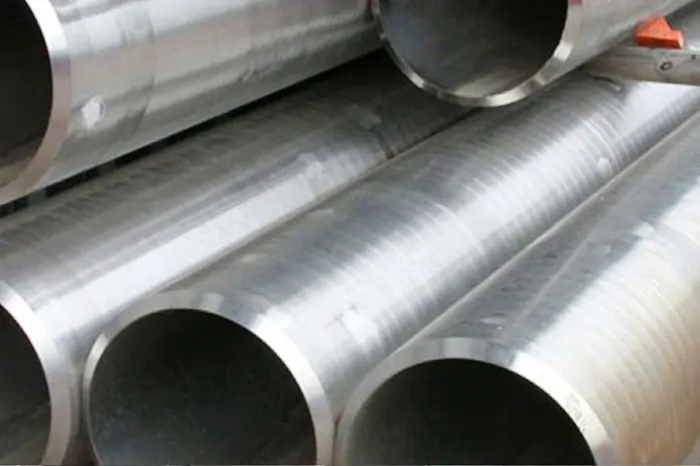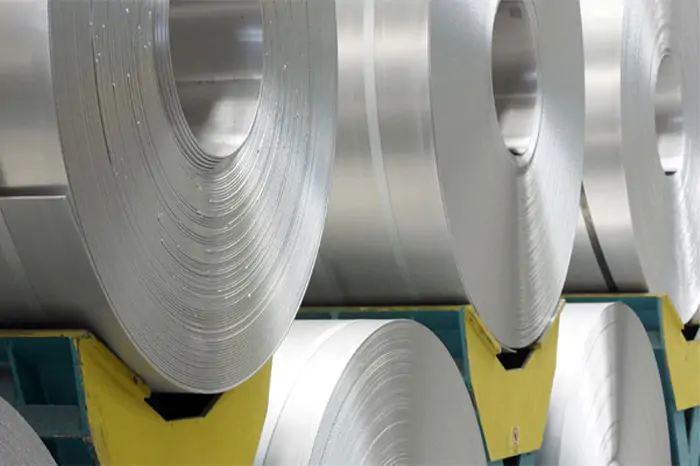

In the aerospace industry, the materials used in aircraft and spacecraft are crucial for ensuring safety, performance, and longevity. Among these materials, corrosion-resistant alloys play a vital role. They are designed to withstand harsh environmental conditions, including exposure to high temperatures, pressure, and moisture. This article explores the significance of corrosion resistant alloys in aerospace equipment, highlighting key types, benefits, and applications.

Understanding Corrosion in Aerospace
Corrosion is a natural process that deteriorates metals over time, leading to structural weaknesses. In aerospace, where equipment is exposed to extreme environmental conditions, corrosion can pose serious safety risks. High-altitude flights, proximity to saltwater, and fluctuating temperatures all contribute to the accelerated corrosion of materials.
Aerospace-grade alloys, therefore, need to be specially engineered to resist corrosion and maintain their structural integrity. This is where the role of corrosion-proof metals becomes essential.
Types of Corrosion Resistant Alloys
Several types of alloys are specifically designed to resist corrosion in aerospace applications. Here are some of the most commonly used:
Titanium Corrosion Resistant Alloy
Titanium is renowned for its excellent corrosion resistance, high strength-to-weight ratio, and ability to withstand extreme temperatures. It is often used in aerospace applications for components like airframes, engine parts, and landing gear. The natural oxide layer on titanium surfaces provides an effective barrier against corrosive elements.
Nickel-based Superalloys
Nickel-based superalloys are known for their exceptional high-temperature performance and resistance to oxidation and corrosion. These materials are widely used in the hottest sections of jet engines, where they maintain their strength and resist degradation even at temperatures exceeding 1,000°C (1,832°F).

High-Temperature Alloys
High-temperature alloys are engineered to withstand extreme heat while resisting oxidation and corrosion. In the aerospace industry, they are critical for components exposed to high thermal stress, such as turbine blades and exhaust systems. These alloys often incorporate elements like chromium, aluminum, and molybdenum to enhance their performance.
Aluminum Alloys
Aluminum alloys are lightweight and possess good corrosion resistance, making them ideal for various aerospace applications. They are often used in the construction of aircraft fuselages and wings. Aluminum’s natural oxide layer offers protective qualities, although additional coatings are sometimes applied for enhanced protection.
Stainless Steel Alloys
Stainless steel alloys, particularly those with high chromium content, are known for their corrosion resistance and durability. They are used in aerospace for components requiring both strength and corrosion resistance, such as fasteners and structural parts.
Benefits of Using Corrosion Resistant Alloys in Aerospace
The use of corrosion-resistant alloys in aerospace equipment offers several advantages:
Enhanced Safety and Reliability
Corrosion-resistant alloys ensure that aerospace equipment maintains its structural integrity over time, reducing the risk of component failure. This enhances the safety and reliability of aircraft and spacecraft, protecting both passengers and crew.
Cost Efficiency
While corrosion-resistant alloys may have a higher upfront cost, their durability and longevity lead to reduced maintenance and replacement expenses. This translates into significant cost savings over the lifespan of aerospace equipment.
Improved Performance
Aerospace materials that resist corrosion maintain their mechanical properties, ensuring optimal performance even under challenging conditions. This is critical for maintaining the efficiency and effectiveness of aircraft and spacecraft.
Environmental Benefits
By reducing the frequency of repairs and replacements, corrosion-resistant alloys contribute to environmental sustainability. They help minimize waste and the environmental impact associated with manufacturing and disposing of aerospace components.
Selecting the Right Aerospace Materials
Choosing the appropriate corrosion-resistant alloy for aerospace applications involves considering factors such as the specific environment, temperature range, and mechanical requirements. Engineers and material scientists work collaboratively to select the most suitable materials for each application, balancing performance, cost, and weight considerations.
Factors to Consider in Alloy Selection
- Environmental Conditions: Understanding the specific environmental conditions, such as exposure to saltwater or extreme temperatures, is crucial for selecting the right alloy.
- Mechanical Properties: The alloy must meet the mechanical requirements of the application, including strength, ductility, and fatigue resistance.
- Weight Considerations: Weight is a critical factor in aerospace design. Alloys should provide the necessary strength without adding unnecessary weight.
- Cost-Effectiveness: While performance is paramount, cost considerations also play a role in material selection. The chosen alloy should offer the best value over the equipment’s lifespan.
Real-World Applications of Corrosion Resistant Alloys
Corrosion-resistant alloys are used in a wide range of aerospace applications, including:
Airframes and Structural Components
Titanium and aluminum alloys are commonly used in airframes due to their strength, light weight, and corrosion resistance. These materials help maintain the structural integrity of aircraft while reducing overall weight.
Engine Components
Nickel-based superalloys are critical in jet engines, where they withstand extreme temperatures and corrosive conditions. They are used in turbine blades, combustion chambers, and other high-stress components.
Landing Gear and Fasteners
Stainless steel and titanium alloys are often selected for landing gear and fasteners, where strength and corrosion resistance are essential for safe operation.
Conclusion
Corrosion-resistant alloys are indispensable in the aerospace industry, providing the strength, durability, and reliability needed for modern aircraft and spacecraft. By understanding the types and benefits of these materials, engineers and manufacturers can make informed decisions that enhance safety, performance, and cost-effectiveness.
As technology advances, the development of new alloys and improved manufacturing techniques will continue to shape the future of aerospace materials, ensuring that they meet the ever-evolving demands of the industry.