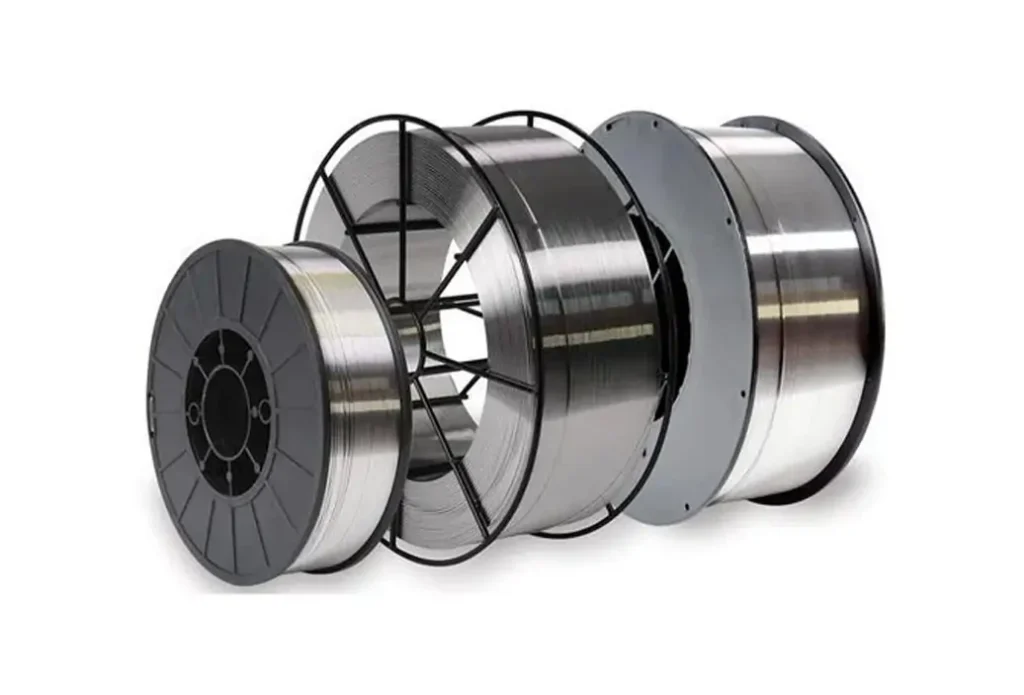
- Danyang Yisheng, Your Trusted Partner for High-Quality Alloy Solutions!

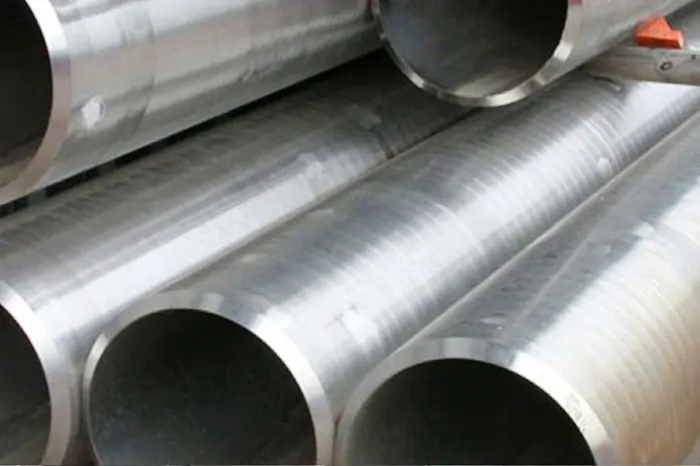


Material: Alloy steel (carbon steel, stainless steel, tool steel, etc.)
Process: Investment casting (lost wax casting)
Features: High mechanical strength, wear resistance, corrosion resistance
Applications: Aerospace, automotive, industrial, and energy sectors
Customization: Available in various alloy compositions, sizes, and shapes
Surface Finish: Smooth surface with minimal need for post-processing
Heat Treatment: Optional to enhance specific mechanical properties (e.g., hardness, tensile strength)
Alloy steel precision casting is an advanced manufacturing process used to create complex and high-precision steel components for a wide range of industrial applications. By utilizing investment casting techniques, alloy steel is melted and poured into molds to form components with high mechanical strength, dimensional accuracy, and excellent surface finish. This process allows for the production of intricate and detailed parts that are typically difficult or impossible to achieve with traditional methods like machining or forging.
These castings are particularly well-suited for demanding environments where components must endure extreme conditions, such as in automotive engines, industrial machinery, aerospace parts, and construction equipment.
Alloy steel precision casting uses high-performance steel alloys, including carbon steels, stainless steels, and other special alloys that are formulated with elements like chromium (Cr), nickel (Ni), molybdenum (Mo), and vanadium (V). These alloys offer a perfect balance of strength, wear resistance, and corrosion resistance, which are critical for high-performance applications.
Key Mechanical and Physical Properties of Alloy Steel Castings:
Tensile Strength: 500–1200 MPa (depending on alloy and heat treatment)
Yield Strength: 300–1000 MPa
Hardness: 40–60 HRC (depending on alloy)
Density: 7.85–8.2 g/cm³
Elongation: 10–30%
Wear Resistance: Excellent for heavy-duty industrial applications
Corrosion Resistance: Varies depending on alloy, but is generally high for most steel alloys
These properties ensure alloy steel precision castings are durable, strong, and capable of performing under high mechanical stress and harsh environmental conditions.
Alloy steel precision castings provide exceptional strength and toughness, making them ideal for parts subjected to high-stress conditions, such as gears, shafts, and industrial tools. The high alloy content enhances wear resistance, ensuring long-lasting performance in abrasive environments.
Precision casting allows for tight tolerances and smooth finishes, reducing the need for secondary machining processes. This not only improves cost-effectiveness but also ensures that parts meet the exact specifications required for performance and assembly.
The investment casting process excels in creating parts with intricate geometries, such as hollow sections, undercuts, and thin walls, which would be difficult to achieve with other casting methods like sand casting or die casting. This makes it perfect for custom components with complex shapes.
Alloy steel precision castings can be produced in a variety of steel alloys, tailored to the needs of the specific application. For example, high-carbon steels provide added hardness, while stainless steels offer enhanced corrosion resistance for harsh environments.
Precision casting produces parts with a high-quality surface finish, minimizing the need for additional surface treatments like polishing or coating. This is particularly important for components exposed to friction or high-temperature environments.
Automotive Industry: Engine components, suspension parts, gears, and exhaust manifolds that require high strength and precision.
Aerospace Industry: Aircraft landing gear, turbine blades, brackets, and other components that need to withstand extreme stresses and temperatures.
Industrial Machinery: Wear-resistant parts such as rollers, conveyor components, and valve bodies in heavy-duty machinery.
Energy and Power Generation: Gas turbine parts, valve components, and pressure vessels used in power plants.
Construction and Mining: Wear-resistant parts for equipment like diggers, crushers, and mining machinery.
Alloy steel precision casting is an advanced solution for producing high-strength, complex, and durable parts required in demanding industrial applications. The ability to achieve precision tolerances and excellent surface finishes makes it an invaluable process for industries like aerospace, automotive, and energy. Whether producing small, intricate components or large, heavy-duty parts, alloy steel precision casting ensures the performance, reliability, and cost-effectiveness of the final product.